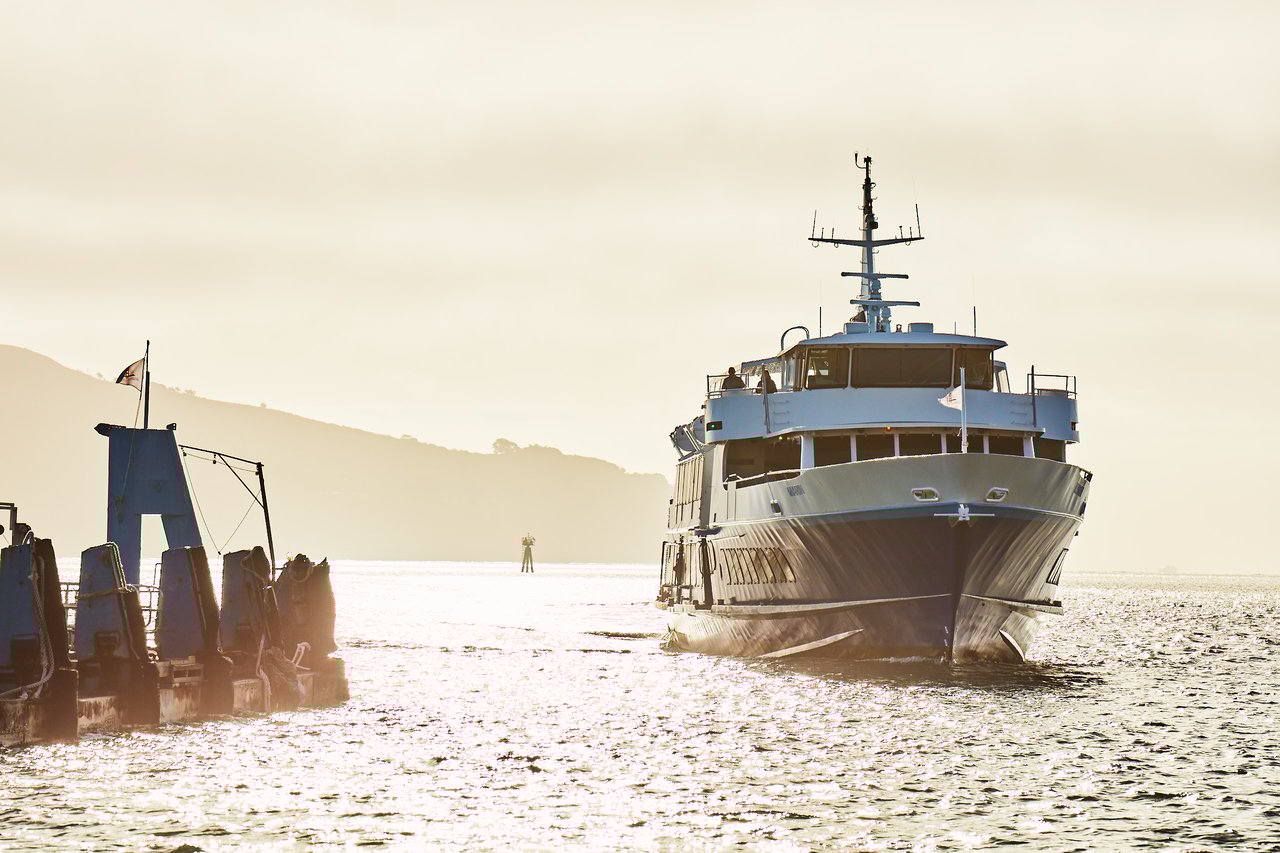
Wish you could trade bridge traffic for a calm ride across the Bay, coffee in hand and laptop open? If you work in San Francisco and love Marin’s outdoorsy pace, a ferry-first lifestyle in Larkspur may be your sweet spot. You get reliable water transit, strong bike and rail connections, and a neighborhood rhythm that works for car-light living. In this guide, you’ll learn how the Larkspur ferry works, where low-car living shines, what to prioritize in your home search, and how to test the commute before you commit. Let’s dive in.
Why Larkspur works for ferry-first living
The Larkspur Landing Ferry Terminal puts you on direct water service to San Francisco. Golden Gate Ferry runs the route, with a typical one-way crossing of about 30 to 35 minutes depending on the schedule and landing. For many, that predictable ride beats peak bridge congestion and turns commute time into reading, planning, or quiet work time. You can review current sailings, fares, and rider info on the official Golden Gate Ferry site.
Service is most frequent during weekday peaks. Midday and weekend runs exist but are lighter, so you will want to check the latest timetable before you plan your day. If your job allows hybrid work, the ferry makes office days feel easier and more consistent.
Getting around without a car
Ferry basics
- Peak sailings are more frequent than midday or weekend trips. Always confirm the latest Golden Gate Ferry schedules.
- Ferries offer indoor seating, restrooms, and bike access. Policies for e-bikes or oversized bikes can vary, so check operator rules before you ride.
- Larkspur Landing has waiting areas, bike racks or lockers, and a park-and-ride lot. Drop-off zones help with quick morning handoffs.
SMART rail link
The SMART Larkspur Station sits next to the ferry, creating a smooth rail-to-ferry handoff for trips north through Marin and into Sonoma. For station maps, schedules, and service updates, visit Sonoma–Marin Area Rail Transit. Many riders pair a short bike ride with SMART, then connect to the ferry for a longer regional commute.
Marin Transit and shuttles
Local buses and employer shuttles connect neighborhoods to the ferry and SMART. Routes and frequency vary by area, so check Marin Transit for current service that touches Larkspur Landing or nearby arterials. If you prefer car-light living, bus plus ferry can cover your weekly commute and basic errands.
Biking and walking connections
Many commuters bike to the ferry, using local lanes and multiuse paths. Downtown Larkspur and parts of Corte Madera have bike-friendly streets and low-traffic options. Sidewalk access around Larkspur Landing supports walking from nearby blocks, though some neighborhoods are farther or involve hills. The City of Larkspur’s transportation and planning pages are helpful for maps and project updates.
Parking dynamics
Park-and-ride lots near the terminal can fill during peak periods. Permit rules and waitlists change over time, so review current guidance on the Golden Gate Ferry site. Many riders avoid the parking crunch by biking, taking SMART or a bus, or coordinating drop-offs.
Neighborhoods and daily life
Larkspur Landing
This mixed-use area near the terminal offers the shortest walk to the ferry, plus offices, services, and places to grab a coffee or dinner. If you want a simple, quick commute with minimal “first mile,” Larkspur Landing is an easy target for your home search.
Downtown Larkspur and Magnolia Avenue
Downtown Larkspur brings a compact main-street feel with cafes, shops, and daily services. It is farther from the terminal than Larkspur Landing, and some blocks sit uphill, so consider an e-bike or bus for the morning ride. The tradeoff is a lively street scene and strong day-to-day convenience.
Nearby options in Corte Madera and San Rafael
Corte Madera and parts of San Rafael place you within a short bike ride or bus trip of the ferry, with broader housing options. Expect varied walkability by block. If you want car-light living, map your actual route to the terminal and try it during peak hours.
Parks and outdoor access
Waterfront paths, nearby trails, and neighborhood parks make it easy to stack movement into your day. Many ferry commuters use the terminal area or downtown as “third places” for a post-ride coffee or quick errands before heading home.
Schools and services
Local elementary and middle schools draw from neighborhood attendance zones, and high school is served regionally. District boundaries and assignments can shift, so confirm current information with the district offices. For low-car living, check how groceries, pharmacies, and urgent care fit into your weekly loop by foot, bike, or bus.
Shape your home search around the ferry
Proximity and access priorities
If you want to minimize driving, aim for homes within easy bike or walking distance. A range of about 1 to 1.5 miles works well for cycling, especially if you have a secure place to store your bike at home. Factor in hills and street safety. A 0.8-mile flat route can be easier than a 0.4-mile climb.
Property types that fit a low-car lifestyle
- Condominiums or townhomes near Larkspur Landing or downtown with direct sidewalk access and on-site bike storage.
- Smaller single-family homes in walkable cores, where a quick ride or bus stop replaces most short car trips.
- Newer mixed-use buildings with package lockers, EV charging, and reduced parking ratios.
Parking and HOA fine print
Even if you plan to go car-light, dedicated parking can be useful for guests or a second household vehicle. Review HOA rules for bike and e-bike storage, scooter policies, and whether spaces can be rented or reassigned. In Marin, limited parking can narrow the future buyer pool, while excellent transit access can widen it for the right audience. Plan for both your lifestyle and resale.
Environmental and resilience checks
Waterfront and low-lying areas near the Bay can sit within flood or sea-level-rise zones. Before you write an offer, review county resources and federal flood maps. Start with Marin County’s planning pages for hazard and adaptation work, then cross-check parcel risk using the FEMA Flood Map Service Center. Factor flood insurance, building elevation, and long-term resilience into your costs and comfort.
Noise and terminal activity
Ferry operations and nearby commercial uses can create occasional noise or odors. Visit the area at your commute time and after dark to understand the daily pattern. If you are sensitive to sound, consider window upgrades or interior bedroom layouts that face away from activity zones.
Marin vs. San Francisco tradeoffs with a ferry-first plan
Many San Francisco buyers look to Marin for more space, outdoor access, and a different daily rhythm. The tradeoff is often a longer or more complex commute. With a ferry-first plan, that commute becomes a predictable block of time rather than a stop-and-go drive. Inventory in truly walkable Marin pockets is limited, so refine your search early. Compare your total door-to-door time by testing both a ferry day and a drive day during peak hours.
Try the commute before you commit
Use one morning to test your real routine:
- Map the route. Choose your walk or bike route to the terminal, noting any hills, crossings, and where you would lock your bike.
- Ride when it counts. Arrive for the sailing you would normally take and see how the timing feels. Verify current times on Golden Gate Ferry.
- Layer in transit. If you live north, try SMART to the terminal using Sonoma–Marin Area Rail Transit. If you rely on a bus, check Marin Transit routes.
- Do the evening run. The trip home often feels different. Test your return, including any hills, lighting, and bike storage.
- Add daily life. Grab groceries or a coffee near the terminal to see how errands fit into your flow.
Buyer checklist for ferry-first homes
- Trial commute at your actual peak times, both directions.
- Confirm walking and biking routes, including grades and lighting.
- Review ferry schedules and any seasonal changes. Note how often you need off-peak travel.
- Check SMART or bus options if you will use them regularly.
- Ask about parking permits, waitlists, and guest parking. Read HOA rules for bike and e-bike storage.
- Review flood and sea-level-rise mapping for waterfront or low-lying parcels using county sources and FEMA flood maps.
- Confirm access to groceries, pharmacy, and urgent care within your car-light radius.
- Assess in-home storage for bikes and gear, plus any EV-charging needs.
Seller tips to attract ferry-first buyers
- Highlight direct walking or biking routes to the ferry, nearby bus stops, and the SMART connection.
- Call out secure bike storage, EV charging, or added racks and hooks that support a car-light lifestyle.
- Share a one-sheet that compares commute options from your address, including the typical 30 to 35 minute ferry crossing plus first-mile estimates.
- Note recent improvements that reduce car dependence, such as added lighting on exterior paths or upgraded weather protection for bike parking.
Trusted resources
- Review current schedules, fares, parking, and rider policies on Golden Gate Ferry.
- Plan rail connections and station details with Sonoma–Marin Area Rail Transit.
- Check neighborhood bus routes and frequencies via Marin Transit.
- Explore local planning, parking, and bike-ped updates from the City of Larkspur.
- Evaluate flood and sea-level considerations with Marin County resources and the FEMA Flood Map Service Center.
Thinking about making Larkspur your hub for car-light living? As a Marin-based GREEN REALTOR, I help you weigh commute options, map your daily loop, and spot the building features that lower costs and stress. If you are buying, we will test your door-to-door time and vet each home’s storage, access, and resilience. If you are selling, we will package your property’s transit advantages to reach the right buyers. Ready to start? Connect with Lucinda Otto to schedule a free sustainability-focused home consultation.
FAQs
How long is the Larkspur to San Francisco ferry ride?
- The typical crossing is about 30 to 35 minutes one way, not including your first-mile walk, bike, or bus; confirm current times on the Golden Gate Ferry site.
Is parking available at the Larkspur Landing ferry terminal?
- Yes, but peak periods can fill quickly; review current permit and lot details with Golden Gate Ferry and consider bike, bus, SMART, or drop-off alternatives.
Can you bring a bike on the Larkspur ferry?
- Bikes are generally allowed on Golden Gate Ferry, but space and e-bike policies can vary; check the latest rules on the Golden Gate Ferry site.
Which Larkspur neighborhoods are most walkable to the ferry?
- Larkspur Landing offers the closest access, and downtown Larkspur is also convenient with a bike or bus; walkability varies by block, so map your exact route and try it at commute time.
Are parts of Larkspur near the ferry in flood zones?
- Some low-lying or waterfront areas may be within flood or sea-level-rise zones; verify parcel risk through county resources and the FEMA Flood Map Service Center.
How does SMART connect with the Larkspur ferry?
- The SMART Larkspur Station is adjacent to the terminal, allowing easy rail-to-ferry transfers; see schedules and station info at Sonoma–Marin Area Rail Transit.