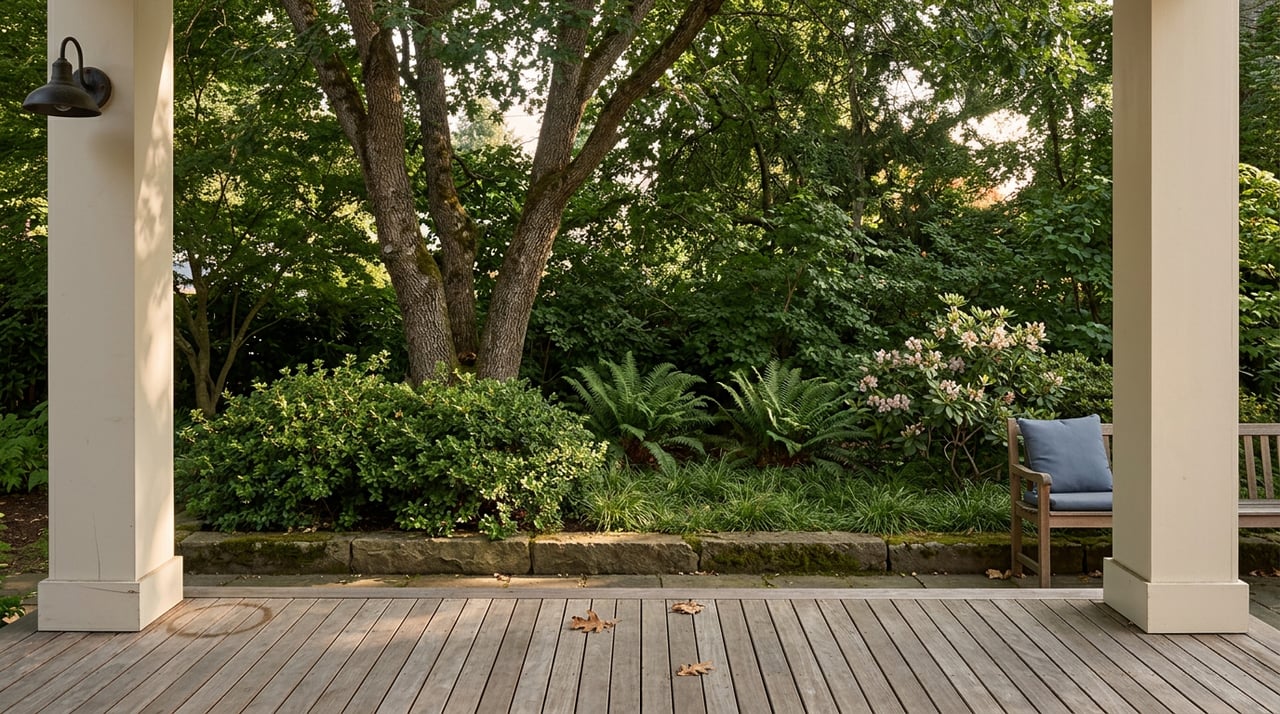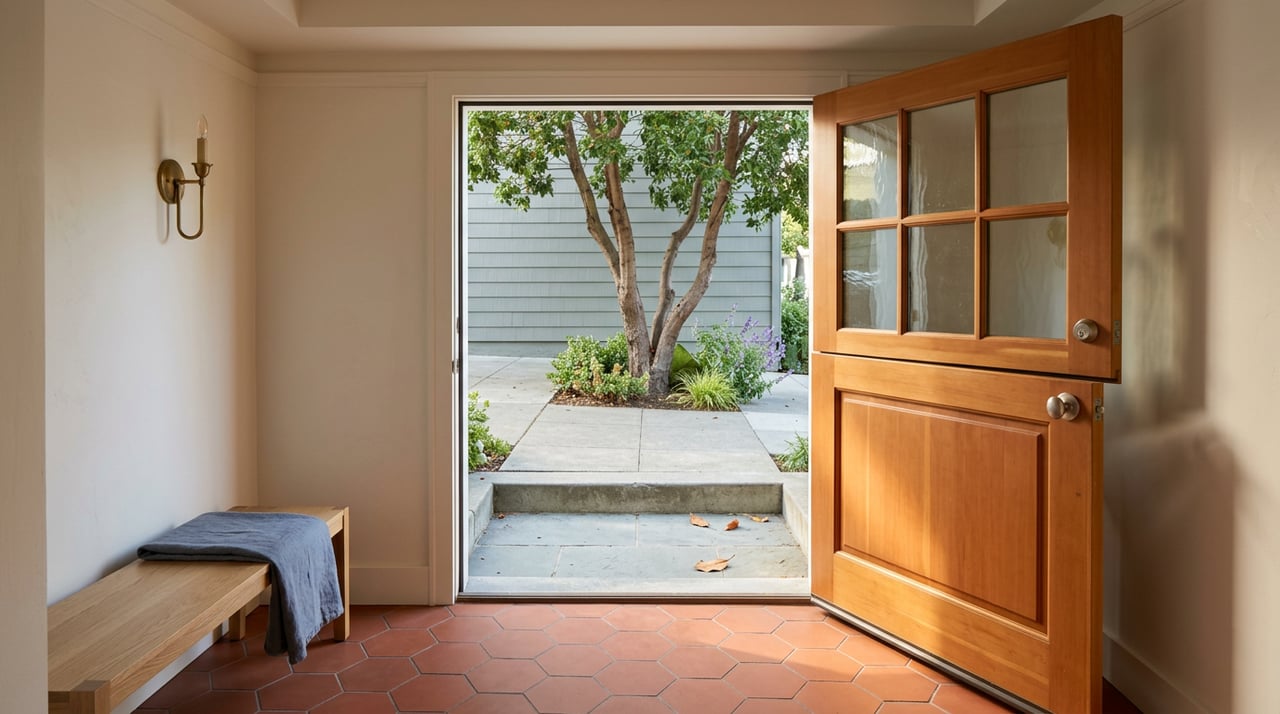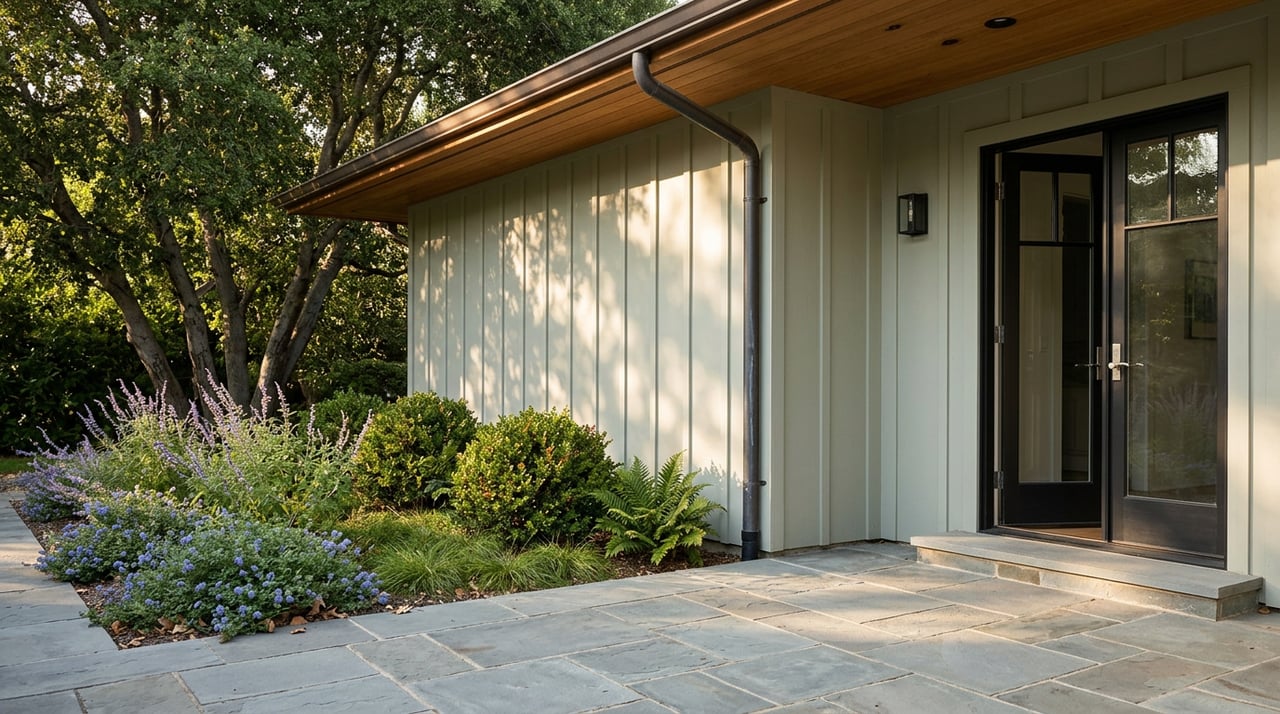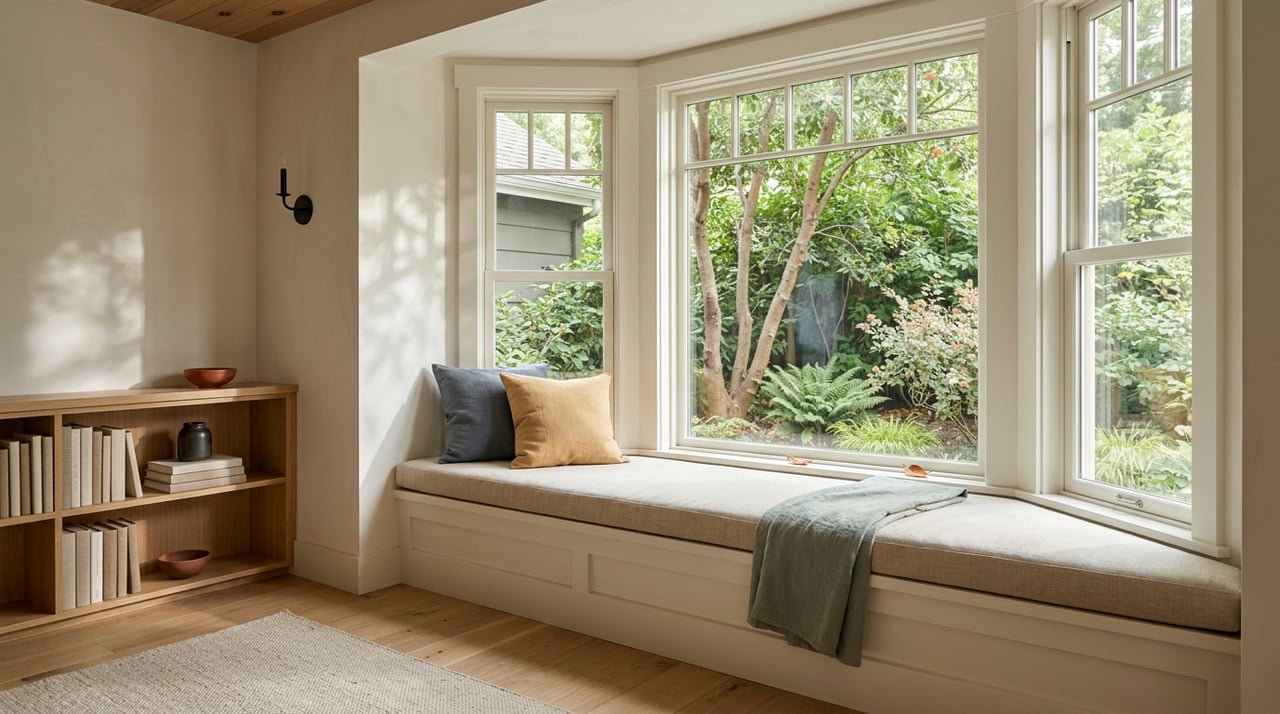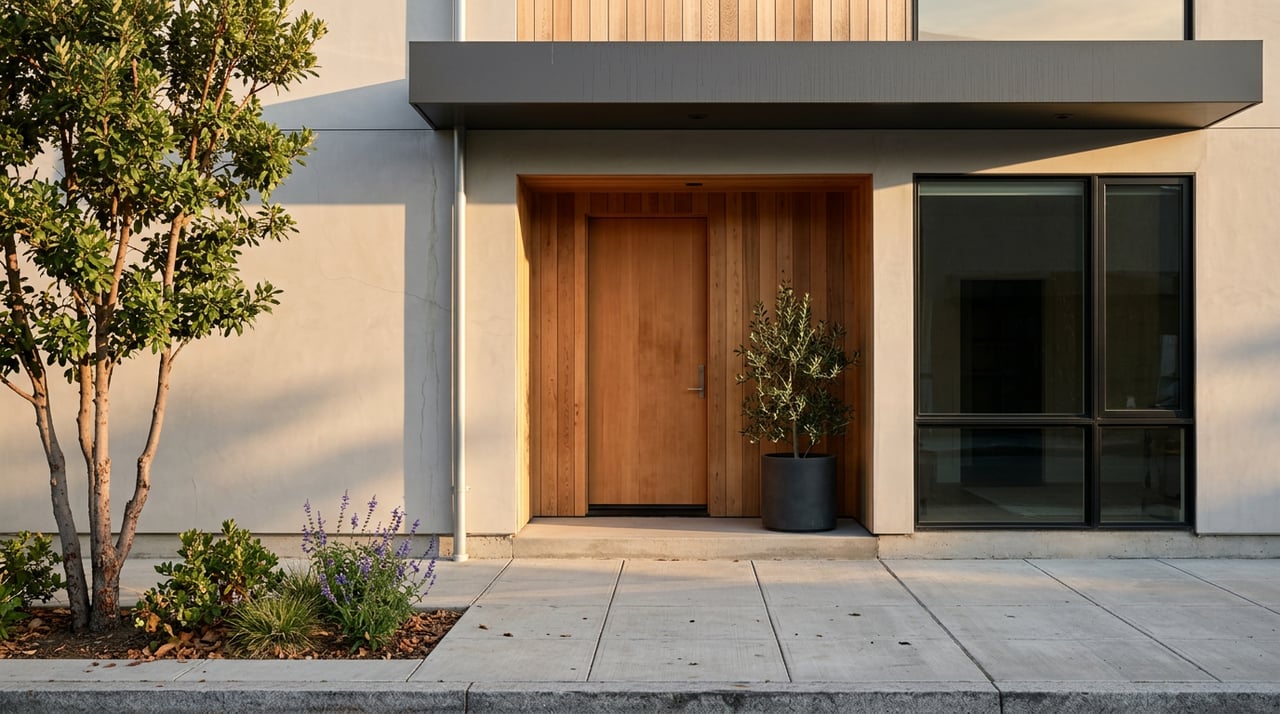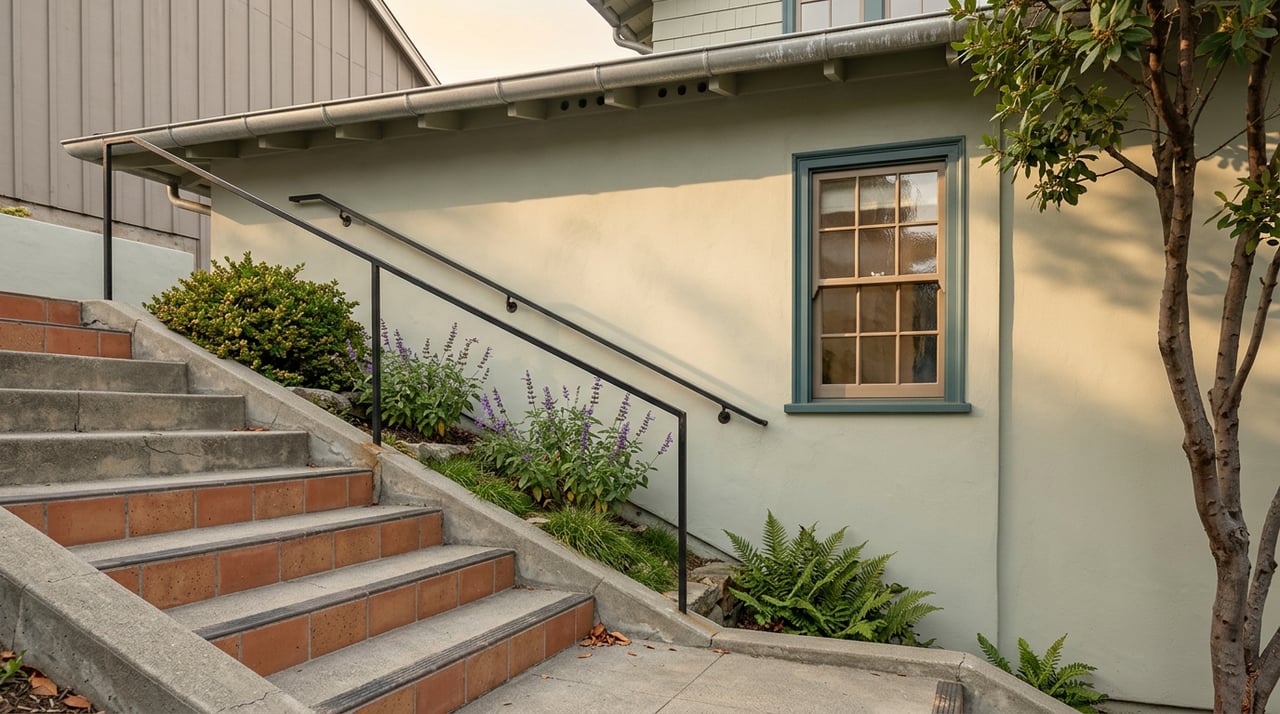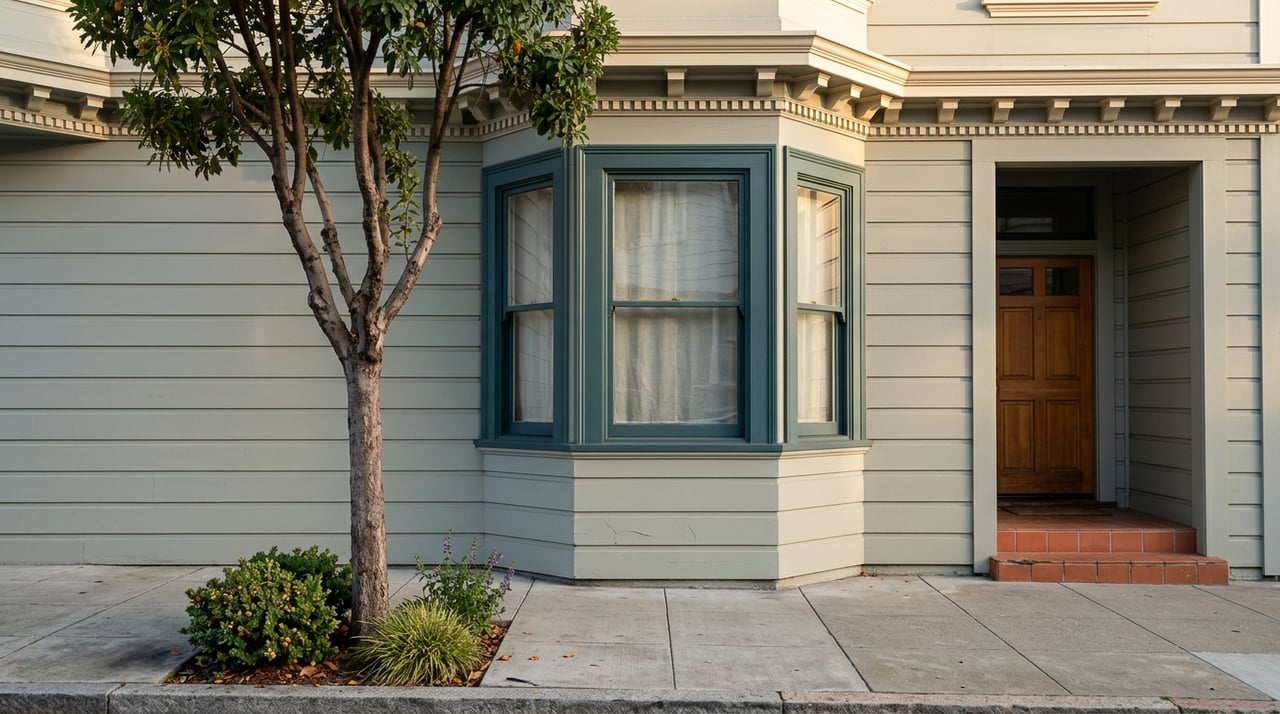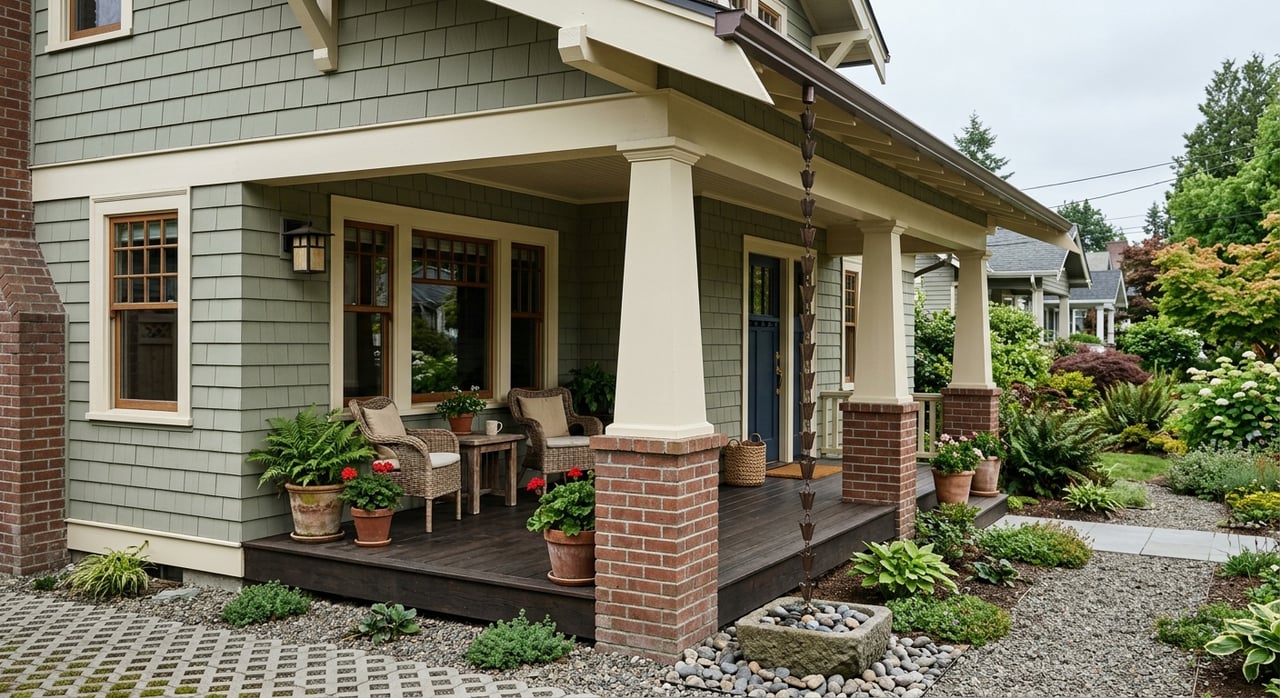
Bernal Heights is full of charm, but many homes are on steep hills, have steep lots or lots of stairs, and can be windy depending on the specific microclimate. If you love light, views, and neighborhood charm, life on the hill can be a dream. But slope, lot shape, and house style all change how a home feels and how easy it is to upgrade later. In this guide, you’ll learn how to read Bernal’s terrain like a pro so you can choose the right fit and plan smart improvements. Let’s dive in.
What makes Bernal different
Bernal Heights wraps around a signature hill with a park at the summit that delivers sweeping 360-degree views. The setting shapes daily life on the blocks below, from terraced gardens to long exterior stairs and multi-level entries. You will see a mix of cottages, Edwardian and Victorian row homes, mid-century houses, and modern infill, often with decks and daylighted lower levels that respond to the slope. The park and trail network is a local anchor, and the exposed ridge lines can feel breezier than lower pockets of the neighborhood, which helps explain why some homes feel windier than others. Bernal Heights Park offers the clearest sense of the terrain you are buying into.
Bernal sits on the sunnier, east side of the city compared with western neighborhoods, yet microclimates shift block by block. Orientation and elevation play a role, so two homes a few streets apart can have very different light and wind exposure. That is why it pays to visit at different times of day.
Lots and the classic 25x100 pattern
Much of San Francisco was originally platted with long, narrow lots that are commonly described as 25 feet by 100 feet, though in Bernal some can be as small as 25 X 75 feet. That footprint encourages vertical homes with stacked floors, narrow side yards or lightwells, and rear yards that often sit well below the street. It also guides how additions and decks tend to be designed over time. You can see how this pattern shaped architecture in city planning and design studies that discuss the 25-by-100 lot as a baseline form for many older blocks (example in planning literature).
Sunlight: read the slope and the walls
Orientation matters on a hill. In San Francisco’s climate, south and southwest slopes and south-facing walls receive more direct sun, while north-facing slopes stay cooler and shadier. Steeper terrain also changes when the sun reaches a yard, deck, or key windows. Understanding how slope and sun work together is a simple way to predict indoor brightness and outdoor comfort (general slope and sun discussion).
A quick field test helps. Stand in the main living area and in the rear yard and note which way you face. A south-facing deck two stories above a lower yard can hold warm afternoon light even if the ground-level garden stays shaded for much of the day. If you prioritize sunny outdoor space, use orientation as a first filter.
Views, privacy, and yard usability
Higher-elevation homes and ridge streets often trade larger views for more wind and fewer flat yard areas. Lower or more sheltered slopes tend to offer more private and usable rear gardens but limit distant views. Because many Bernal homes live on multiple levels, your best outdoor space may be a deck rather than a lawn.
There is also a legal point to keep in mind. In California, you generally do not have an automatic right to keep a neighbor from blocking your view. Protecting a view usually requires a recorded easement or a specific agreement in the property’s documents, and most neighbors can build within zoning and permit limits even if it affects your outlook. If views are critical, ask your title team to look for recorded view easements and research nearby parcels for potential development (more on view rights).
Terracing, stairs, and access
Hillside living often separates the street entry from the backyard by a full story or more. Exterior stairs and retaining walls are common, and terraced yards can be beautiful, productive gardens. Each terrace, however, adds structure that you should inspect for drainage, permits, and condition. If mobility or caregiving is a consideration, count the stairs from sidewalk to door and from the main level to the yard. Long, narrow stairs can also affect deliveries and maintenance.
Flat driveways are uncommon on steeper blocks. Many homes place garages at street level with living space above and the yard behind or below. If easy yard access from the kitchen or great room is high on your list, focus on homes where the main level opens directly to a deck or garden.
Common Bernal home styles and how they live
- Cottages and early bungalows. Often smaller footprints with efficient plans. Many have main living areas above street or garage level, with daylighted lower levels that may have been expanded.
- Edwardian and Victorian row homes. Typically tall, narrow floor plates with bay windows and lightwells. Remodels often insert larger rear openings, decks, and open kitchens to bring light to the center.
- Mid-century and infill modern. Vertical living with garages at grade and living spaces above. Roof decks and large glazing are common to capture light and views.
Across styles, you will see patterns: excavated basements for extra space, larger rear openings to connect to decks, and terraced gardens that make grade changes usable. These changes are classic responses to Bernal’s terrain and lot depth.
The rules that shape additions and ADUs
Bernal Heights Special Use District
Bernal Heights is covered by a Special Use District in the city’s Planning Code. The SUD adds rules on top of base zoning, including stricter rear yard standards, mass-reduction requirements that limit how much bulk you can add, and parking triggers tied to usable floor area. These rules explain why many Bernal additions and major remodels need special review or variances. Before you sketch plans, confirm the parcel’s SUD status and review any past Planning decisions for the address (Planning Code §242) (planning case archives).
Practical takeaways: rear yard depth is often expressed as a percentage of lot depth, projecting decks into required rear yards may be limited, and modest interior additions can trigger parking obligations. These details vary by block and by past decisions, so site-specific checks matter.
Hillside and geotechnical triggers
On steeper lots or in mapped seismic or landslide areas, the city can require extra engineering and plan review. Excavation, large retaining walls, additions above certain sizes, or work that could affect slope stability often trigger a geotechnical report and specialized drainage and structural design. Expect added time and cost for peer review or Structural Advisory Committee referrals when slopes or hazards apply (city SAC overview).
From a budget view, geotechnical investigations on complex hillside sites can land in the low to mid five figures, and engineered shoring or retaining systems add meaningful cost. Foundations, underpinning, and access on stair-only sites multiply complexity (foundation and geotech context).
ADUs and SB 9
San Francisco allows Accessory Dwelling Units through local and state-aligned programs. Many single-family and multifamily parcels can add at least one ADU, with details shaped by building layout, ceilings, fire and egress requirements, utilities, and any local constraints such as historic resources or eviction history. The city’s ADU resources explain eligibility, exceptions, and intake steps so you can screen a property early in your process (SF ADU program overview).
State law has also created new paths for housing. SB 9 may allow ministerial lot splits or two-unit development on qualifying single-family lots, subject to state criteria and local exemptions. Some Bernal parcels could qualify, but you need a parcel-by-parcel check to confirm feasibility (SB 9 context).
Cost ranges, in plain English
Bay Area ADU costs vary with type and site conditions. Interior or attached conversions generally sit on the lower end, while detached ADUs or new construction on hills with tricky access push higher. Recent industry guides show broad ranges of roughly 150,000 to 475,000 dollars and up, with hillside foundations and retaining work as key cost drivers (Bay Area ADU cost ranges).
These are not bids, just planning numbers. If an ADU is part of your long-term plan, combine a zoning and ADU screening with a quick architect or contractor pro forma during escrow so you can test scope, timeline, and budget before you commit.
Sustainability and comfort on the hill
Bernal’s sun and wind patterns affect energy and comfort. South-facing walls and decks can support passive warmth, while wind-exposed ridges may benefit from careful window selection and air sealing. Terraced yards can be designed with smart drainage and planting that reduce irrigation and erosion. If you value lower operating costs, note the home’s orientation, window condition, and insulation access when you tour.
How to evaluate a Bernal home: a quick checklist
Use this list at showings and in due diligence. It will help you separate must-haves from nice-to-haves and flag upgrade hurdles early.
- Zoning and overlays. Confirm base zoning and whether the Bernal Heights Special Use District applies. If yes, flag rear yard rules, mass-reduction, and parking triggers for follow-up (SUD reference).
- Topography and grade. Note whether the home sits on a ridge, mid-slope, or sheltered pocket. If average slope is steep or the parcel is in a mapped hazard area, expect geotechnical review for major work (SAC overview).
- Exterior stairs and access. Count flights from street to entry and from the main level to the yard. Consider mobility, daily groceries, and furniture access.
- Yard usability. Estimate flat square footage and how you reach it from the main level. Inspect retaining walls for condition and permits, and note drainage patterns during rain.
- Basements and lower levels. Check ceiling heights and egress. Ask whether any lower-level spaces were used as unpermitted rentals, since legalization can trigger fire, egress, or sprinkler upgrades.
- ADU potential. Ask the listing agent about known constraints, then get a preliminary ADU screening if you are serious. On hillside lots, budget time and money for geotech and retaining design (SF ADU program).
- Views and easements. Do not assume view rights. Check title for recorded easements and research nearby parcels for pending development (view rights primer).
- Permits and prior variances. Review permit history and any Planning or Zoning Administrator decisions tied to the address. Past conditions can shape future work (planning archives).
- Budget and timeline. For typical Bernal remodels and ADUs on slopes, plan for geotech in the low to mid five figures and potential retaining or shoring in a similar range. Use 150,000 to 475,000 dollars as a starting range for ADUs, then refine with a contractor during escrow (geotech context) (ADU costs).
Two quick scenarios to picture trade-offs
- House A: Street-level main floor with a compact, level terrace off the kitchen, plus a small lower garden. You get easy daily indoor-outdoor flow and safer play space, with modest views from an upper bedroom.
- House B: Upper-level living that opens to a large, sunny south-facing deck, with a long stair down to a multi-tier yard. You gain light and views, and the deck becomes your main outdoor room, but stairs add work and may raise project costs if you plan a detached ADU.
Your next step
If you know how you live day to day, Bernal’s hills can work beautifully. Focus on orientation for light and comfort, yard access for livability, and the SUD and slope rules for future plans. Then pressure-test your upgrade ideas with quick screenings so surprises do not surface mid-project.
Curious which Bernal blocks match your wishlist or whether an ADU could pencil on a specific lot? Let’s walk a few homes together and map the trade-offs in real time. Reach out to Lucinda Otto to schedule a free sustainability-focused home consultation.
FAQs
How do Bernal Heights slopes affect daily living?
- Slopes shape light, wind, and access, so expect more stairs, multi-level living, and terraced yards, with south-facing exposures generally receiving more sun.
What is the Bernal Heights Special Use District and why does it matter?
- The SUD adds rules on top of base zoning, including stricter rear yards, mass-reduction, and parking triggers, which can affect additions and decks (Planning Code §242).
Do I have a legal right to keep my view in San Francisco?
- Generally no. View protection usually requires a recorded easement or agreement, so check title if views are essential (view rights overview).
Can I add an ADU on a Bernal Heights lot?
- Many parcels can add at least one ADU, but feasibility depends on layout, fire and egress, utilities, and local constraints. Start with the city’s ADU resources and a screening (SF ADU program).
How much does a Bay Area ADU cost on a hillside site?
- Industry guides show broad ranges of about 150,000 to 475,000 dollars and up, with hills, foundations, and access often pushing costs higher (ADU cost ranges).
What should I check on terraced yards and retaining walls?
- Verify permits, drainage, and structural condition. Retaining and drainage upgrades can be significant line items on hillside projects.
Does SB 9 help me add units or split a lot in Bernal Heights?
- Possibly, if your single-family lot meets state criteria and is not exempted for things like historic resources. A parcel-specific check is required (SB 9 summary).