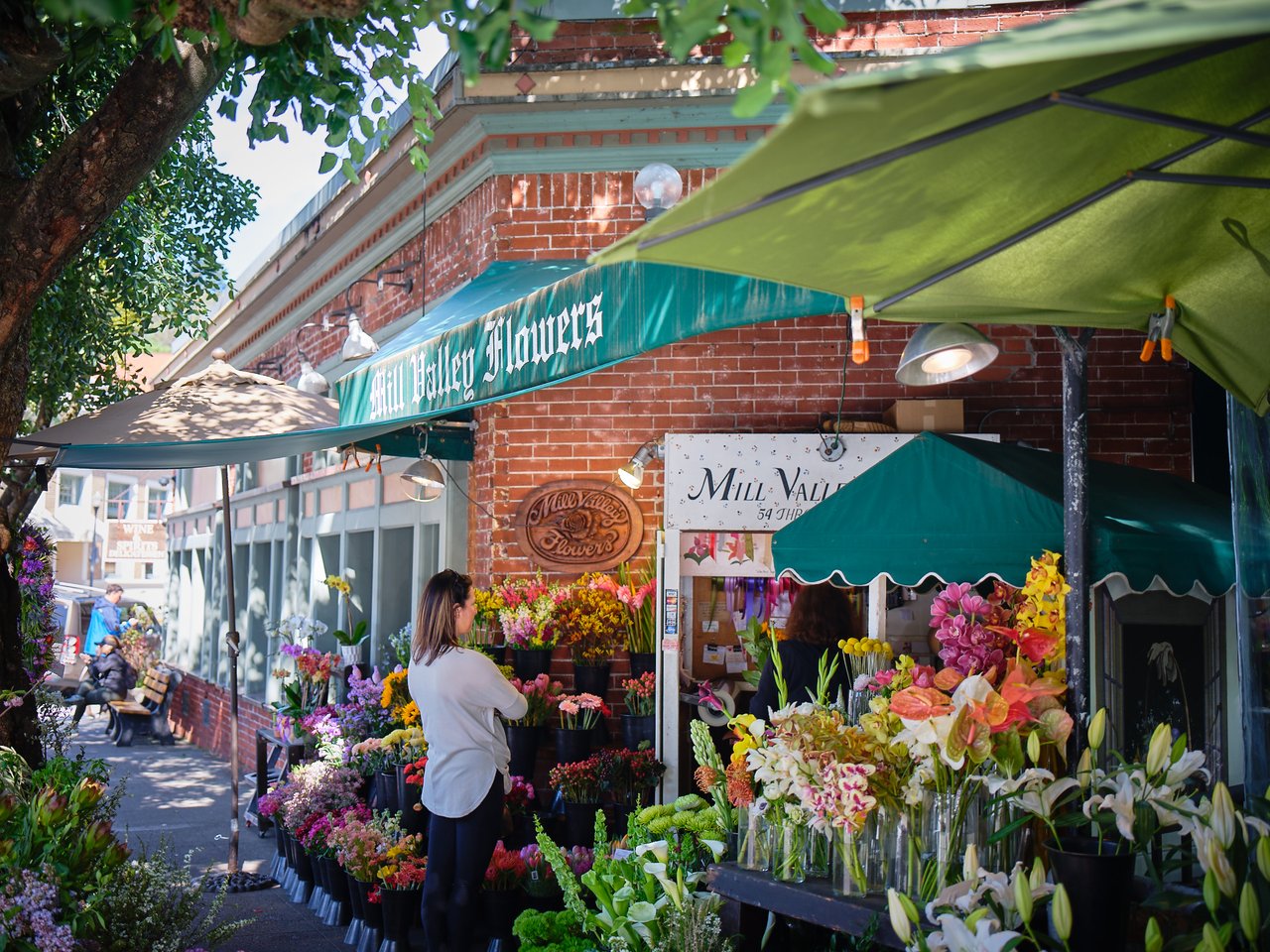
What does a normal Tuesday in Mill Valley look like? Maybe it’s a sunrise walk under redwoods, a stop for coffee at Equator or the Depot Cafe, and a commute that weighs driving against the ferry. If you’re picturing a quieter rhythm with quick access to trails and a small-town downtown, you’re in the right place. This guide walks you through daily life in Mill Valley so you can see the routines, perks, and trade-offs before you make a move. Let’s dive in.
Morning rhythm and downtown stops
Mill Valley centers on a village-style downtown, with Miller Avenue and nearby streets acting as the daily hub. You’ll find independent cafes, bakeries, casual restaurants, and specialty food shops that make errands easy. Brunch and morning coffee culture are part of the routine, and you’ll notice strollers, dogs, and neighbors greeting each other. Evening brings excellent dining, live music from casual jams in the downtown plaza to epic shows at the Sweetwater Music Hall. New releases and art films screen side by side at the Sequoia Cinema, home to the world famous Mill Valley Film Festival.
For groceries and essentials, you can handle most needs in town. If you want more full-service shopping, you’ll drive a few minutes to larger retail in Corte Madera or San Rafael. Expect downtown to feel busiest during morning and late-afternoon peaks when commuters, school drop-offs, and errands overlap.
Commute options and timing
Mill Valley is just north of the Golden Gate Bridge, and US-101 is the main route for regional travel. Your commute strategy will shape your mornings and evenings, so it helps to test a few options.
Driving to San Francisco
Off-peak, the drive to the Golden Gate Bridge and into the city can take about 20 to 35 minutes. During peak hours, plan for longer times and potential bridge backups. Local hill roads can be narrow and winding, so give yourself a buffer if you’re leaving from a hillside neighborhood.
Ferry and bus connections
Many residents split the commute by driving to a transit hub and finishing on the ferry or bus. The Larkspur Ferry Terminal is a short drive from Mill Valley and offers passenger service to downtown San Francisco. Morning ferry capacity and parking can be tight, so regular riders often plan around schedules and explore monthly pass or reserved parking options. Golden Gate Transit and Marin Transit buses link Mill Valley with San Rafael, Sausalito, San Francisco, and other Marin towns, with service frequency that varies by route and time of day. SMART rail connects to Larkspur for regional travel. There is no BART in Marin County.
Walking and biking
Downtown is walkable for daily errands, and neighborhood Steps, Lanes and Paths make short walks part of many routines. For longer commutes, the hills and road layout limit bike-friendliness for many riders, though some residents bike to a ferry terminal or bus connection.
Schools and childcare
Public schooling in Mill Valley runs through two districts: Mill Valley School District for K–8 and Tamalpais Union High School District for grades 9–12. Families value the engaged parent communities and after-school programming. Childcare and preschool options exist locally, but popular programs may have waitlists. If you prefer private school, you’ll find options across Marin.
When comparing neighborhoods, stay neutral and focus on your needs. Many families prioritize proximity to school drop-offs and parks, plus the time it takes to reach after-school activities.
Healthcare and daily services
Primary and urgent care clinics are in or near town. For hospital-level care and specialists, you’ll drive a short distance to MarinHealth Medical Center in Greenbrae. Dental, veterinary, and other routine services are easy to find locally or just a few minutes away in neighboring towns.
Housing feel and daily logistics
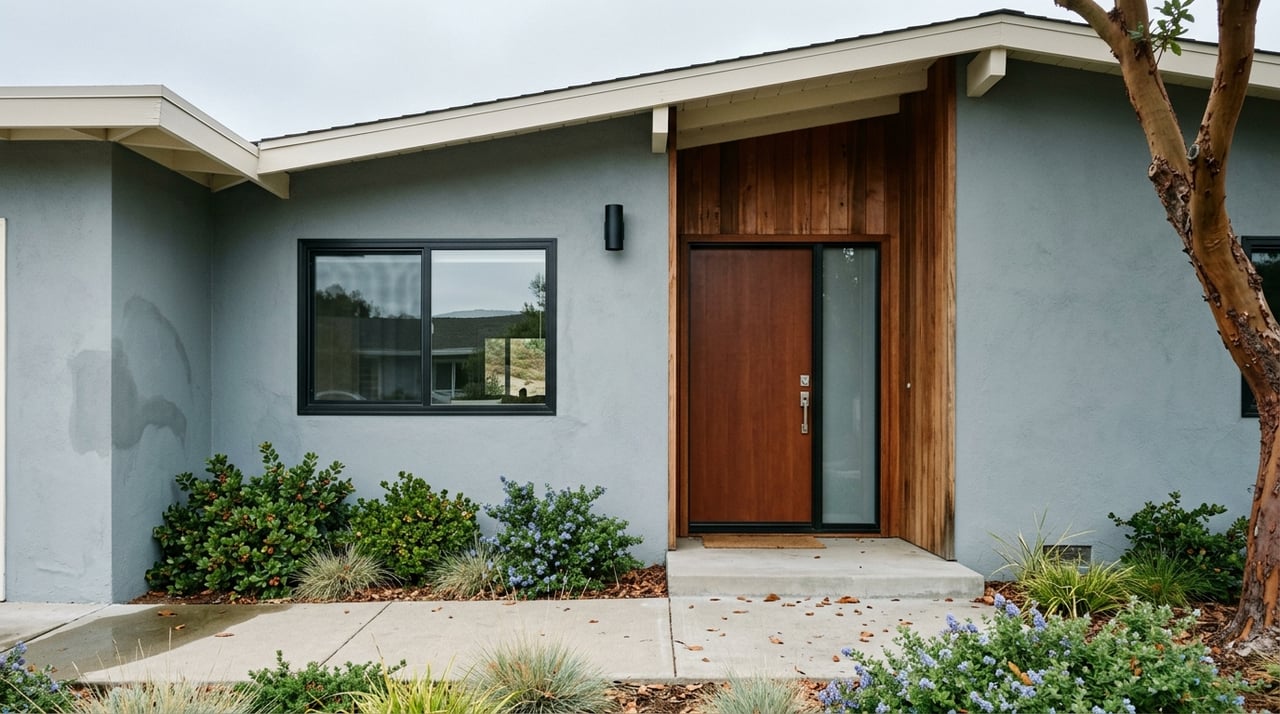
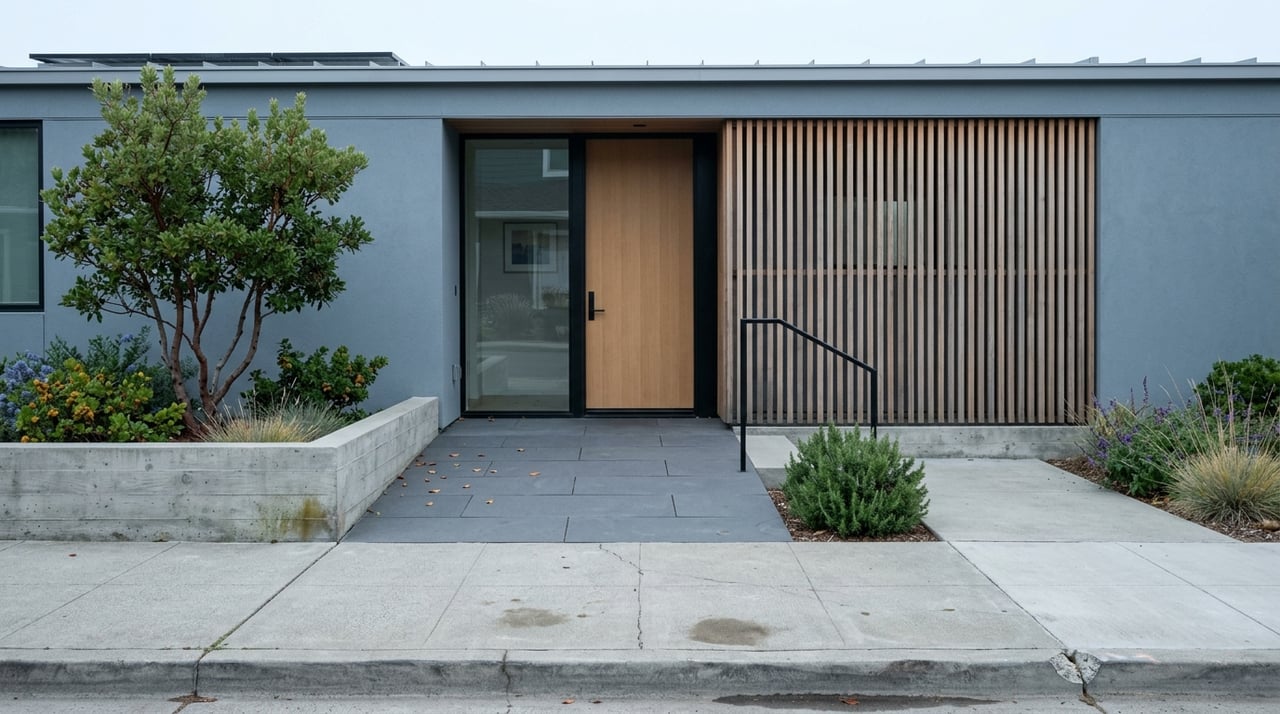
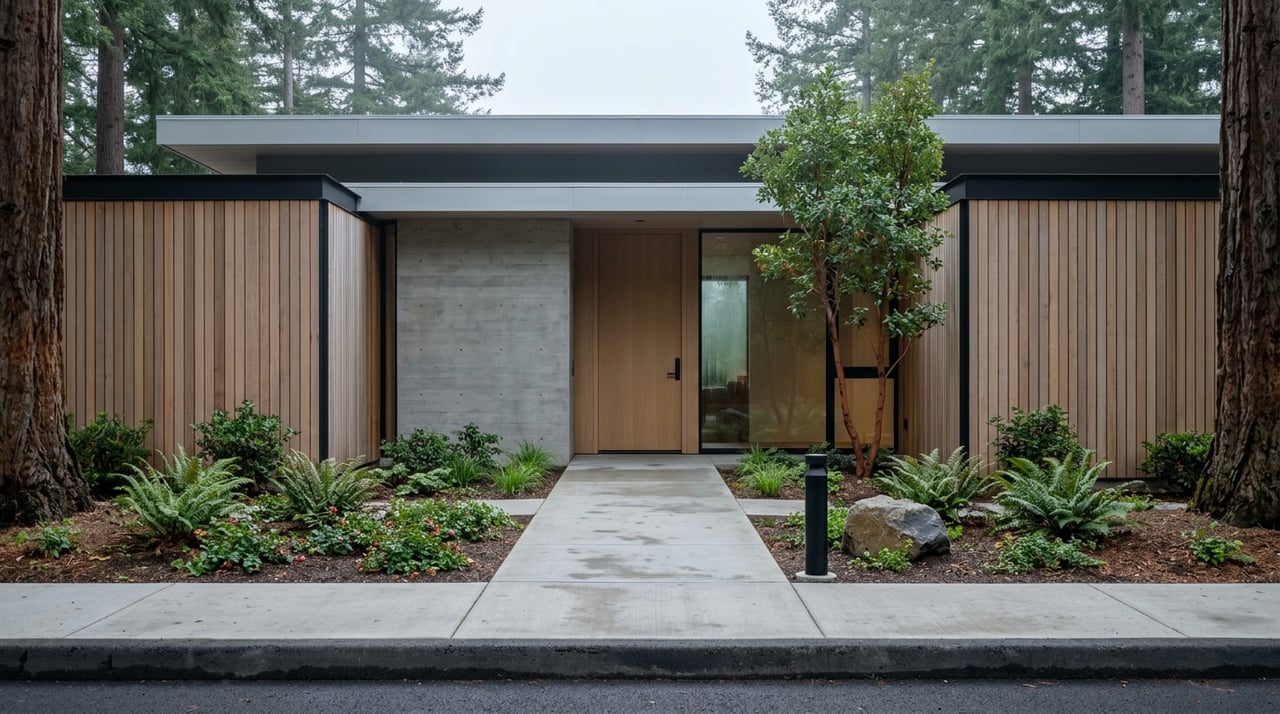
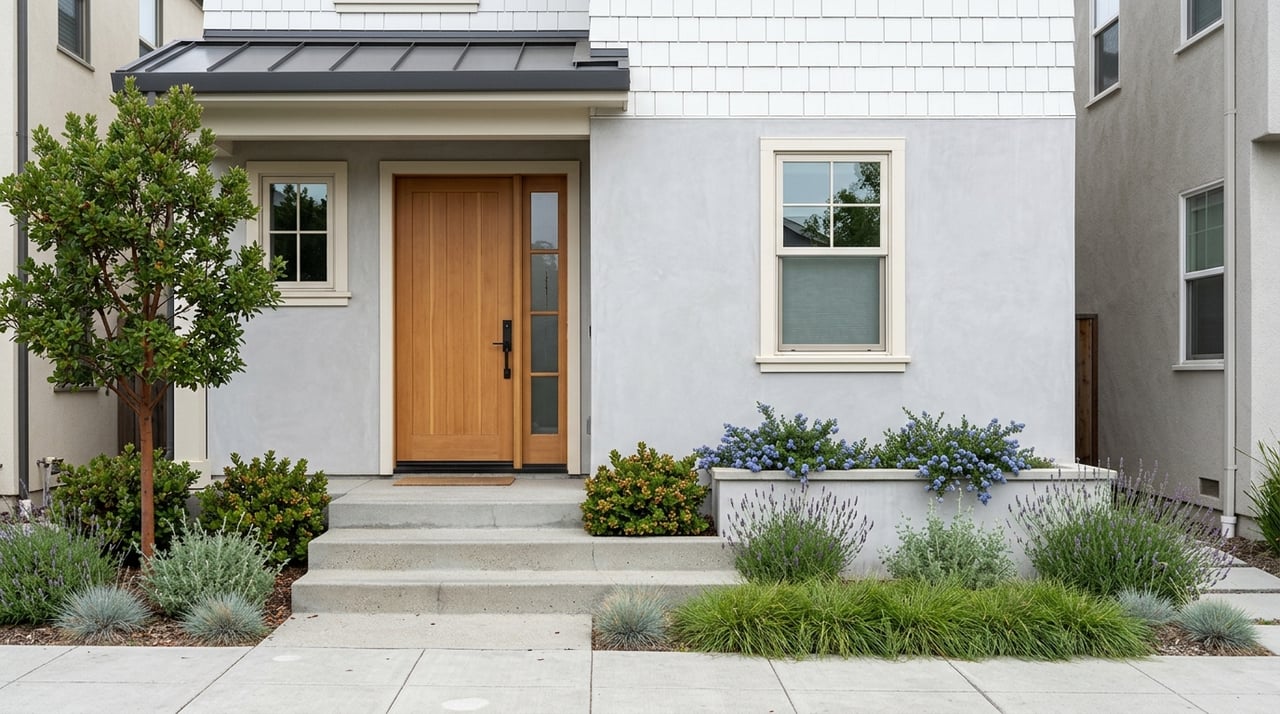
The way homes sit on the land in Mill Valley often shapes your daily routine. You’ll see cottages, bungalow-style homes, hillside single-family properties, and a limited number of condos or townhomes.
Common home types
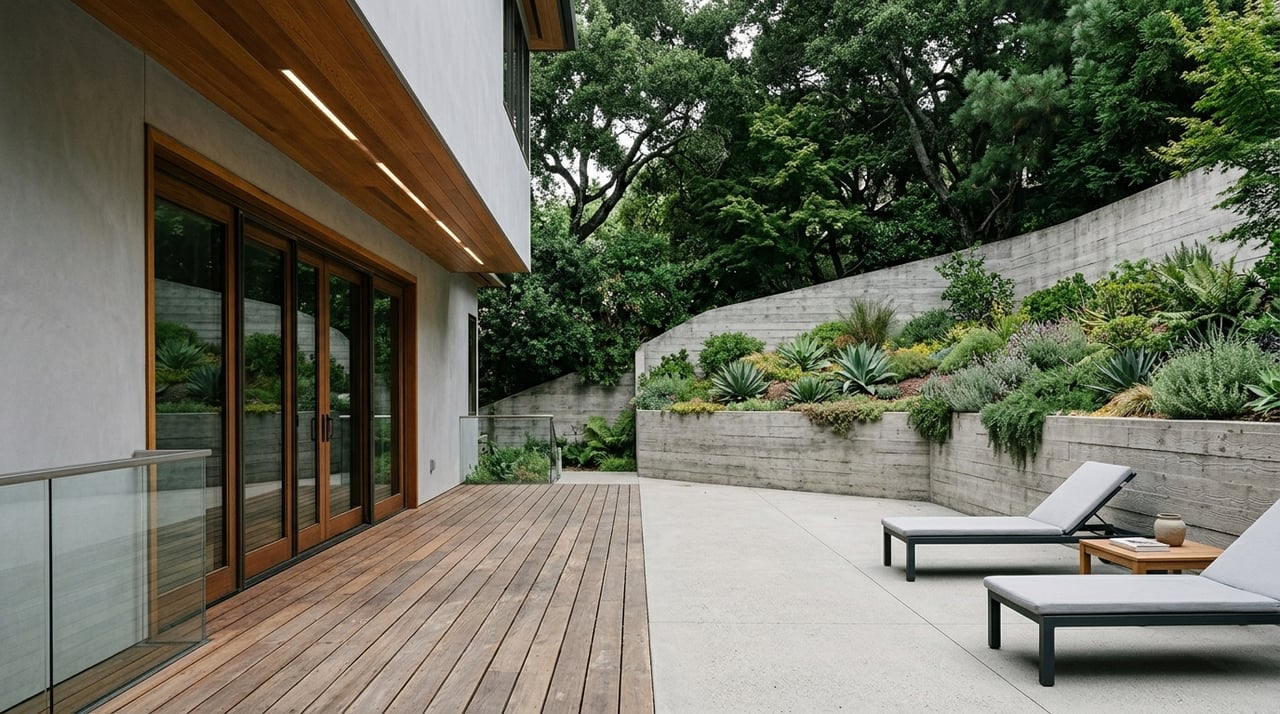
Many homes embrace indoor–outdoor living with decks and gardens, and lot sizes can vary. Older properties sometimes need seismic upgrades and fire-hardening improvements. Renovations are common, and many owners refine outdoor spaces to maximize sun, privacy, and year-round use.
Hillside living realities
If you’re shopping in hillside areas, factor in driveways, terraced yards, and stairs. These add steps to everyday life, from carrying groceries to managing yard work. Street parking can be limited in some pockets, and few residential areas use permits. On weekends, trailhead parking fills fast, so plan hiking start times accordingly.
Energy and sustainability checks
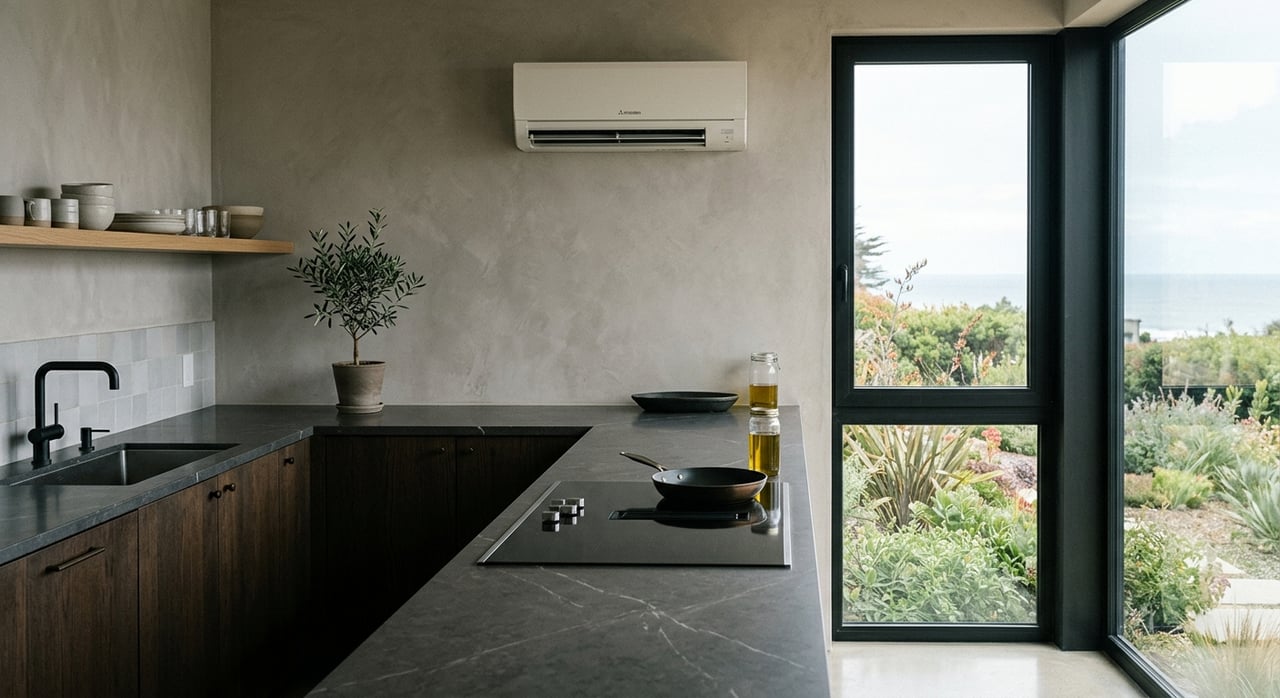
Mill Valley’s microclimates make home performance worth a closer look. On cooler, foggier mornings, insulation and air sealing help comfort and reduce energy use. On sunnier hillsides, shading and ventilation matter. Ask about:
- Roof, windows, and insulation upgrades
- Heating and cooling systems and their efficiency
- Fire-hardening steps like ember-resistant vents and defensible space
- Solar potential on sunny exposures and any battery storage
These details improve comfort and control costs, and they can also support resale appeal.
Outdoors and weekends
The proximity to Mt. Tam and gorgeous bayside surroundings are a huge part of the appeal of Mill Valley. Living here puts you next to Mount Tamalpais State Park, with trail networks that include the Dipsea Trail. Muir Woods is close, and beaches like Muir Beach and Stinson Beach are a short drive north. Local parks and neighborhood paths are part of daily life, whether you run, hike, walk the dog, or take the kids to a playground.
Weekends are outdoor-focused for many residents. Expect more traffic near trailheads and coastal access points on sunny days. Plan earlier starts, rideshares, or transit to avoid the heaviest crowds and parking crunches.
Climate and hazard basics
Mill Valley has a Mediterranean climate with mild, wet winters and dry summers. You’ll notice strong microclimates: low-lying and coastal areas can be foggier and cooler in the mornings and evenings, while hilltops and more inland pockets are often sunnier and warmer. Fog and bay winds are part of the daily weather profile.
Wildfire readiness and insurance
The Marin hills carry meaningful wildfire risk. Homeowners are encouraged to maintain defensible space, follow local vegetation management guidance, and consider fire-hardening upgrades. Insurance can be more expensive or have exclusions in higher-risk zones, so budget time to consult insurers and stay current with local fire authority recommendations.
Earthquakes and flood awareness
Standard Bay Area earthquake risk applies. For low-lying properties near tidal marshes or bayfront areas, flood and sea-level-rise exposure can be relevant. If you’re serious about a property, check parcel-level risk and factor upgrades and insurance into your planning.
Community and culture
Mill Valley has a strong community identity with a calendar that includes well-known trail events like the Dipsea Race, a vibrant film and theater presence, farmers markets, and small seasonal festivals. Participation runs high, and you’ll feel that village-scale connection at parks, schools, and local venues.
Quality-of-life trade-offs
Every location has give and take. Here’s what many residents weigh.
Pros
- Immediate access to trails, parks, and beaches
- Village feel with engaged community and events
- Public schools served by local districts
- Lower traffic noise in many residential areas compared with city life
- Quick access to the broader Bay by car or ferry
Cons
- High housing costs and tight resale inventory
- Narrow, steep roads and stairs in many homes
- Commute variability and bridge congestion at peak times
- Wildfire risk and possibly higher insurance costs in hillside zones
- Limited late-night dining and specialized retail in town
Is Mill Valley right for you?
If your ideal day mixes fresh air, quick café stops, and a shorter list of big-city distractions, Mill Valley fits well. If you want more nightlife, frequent late dinners, and specialized retail at your doorstep, plan on short drives to nearby hubs. For families, the school and park access make daily logistics smooth. For commuters, the decision often hinges on how you balance driving, ferry schedules, and flexibility needs.
If sustainability and home performance matter to you, focus on microclimate fit, fire-hardening steps, and energy upgrades that improve comfort and lower long-term costs. A thoughtful review of these details can help you land the right home and enjoy it more from day one.
Ready to explore neighborhoods, commute options, and home performance features that match your lifestyle? Reach out to Lucinda Otto to schedule a free sustainability-focused home consultation.
FAQs
How long is the commute to San Francisco from Mill Valley?
- Off-peak driving can take about 20 to 35 minutes to the Golden Gate Bridge and into the city, but peak hours often run longer. Many residents mix driving with the Larkspur ferry or bus to save time and stress.
Which public school districts serve Mill Valley?
- Mill Valley School District covers K–8 and Tamalpais Union High School District covers grades 9–12. Families often consider proximity to schools and after-school programs when choosing neighborhoods.
What should I know about wildfire risk and insurance in Mill Valley?
- Hillside areas carry meaningful wildfire risk. Plan for defensible space, local vegetation management compliance, and fire-hardening upgrades, and budget time to discuss coverage and costs with insurers.
How walkable is downtown and what about parking?
- Downtown is walkable for daily errands, though street parking can be limited at peak times. Expect trailhead parking to fill quickly on weekends and arrive early for popular hikes.
Are healthcare and hospitals nearby?
- Primary and urgent care are in or near town, and the nearest full-service hospital is MarinHealth Medical Center in the Greenbrae and San Rafael area, a short drive away.
What are the weekend realities for popular trails and beaches?
- Expect heavier traffic near trailheads and coastal access points on sunny weekends. Plan earlier starts, rideshares, or transit to avoid parking crunches and crowds.