Shopping for a condo or townhome in Corte Madera and trying to decode HOA fees, reserves, and flood maps? You are not alone if you want the Marin lifestyle with less maintenance and a smart, sustainable home. In this guide, you will learn what local condos and townhomes look like, how to read HOA documents, what inspections and financing to plan for, and how to budget and plan EV and energy upgrades. Let’s dive in.
Who this guide is for
If you are a move‑up buyer who wants more space with less yard work, or a relocating professional who needs central Marin access, this guide is for you. You will find practical steps to compare communities and factor in total cost of ownership. You will also learn where energy upgrades and EV charging fit into your plan.
What Corte Madera homes look like
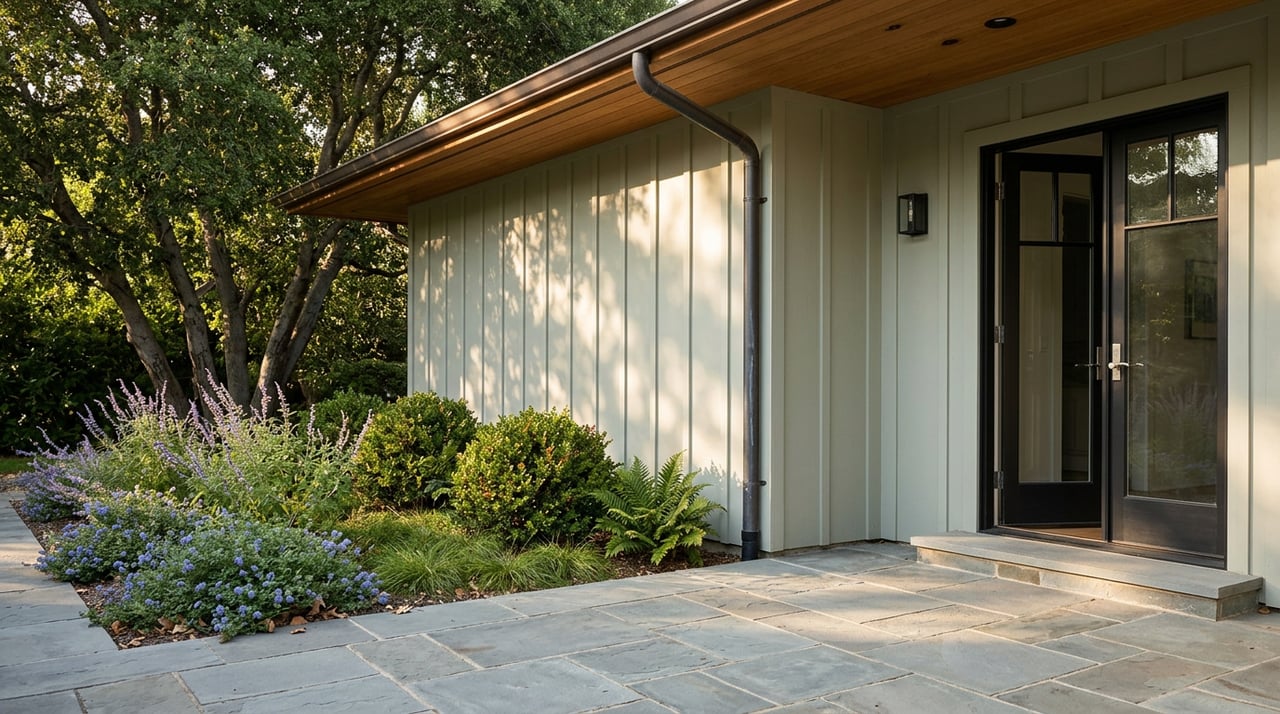
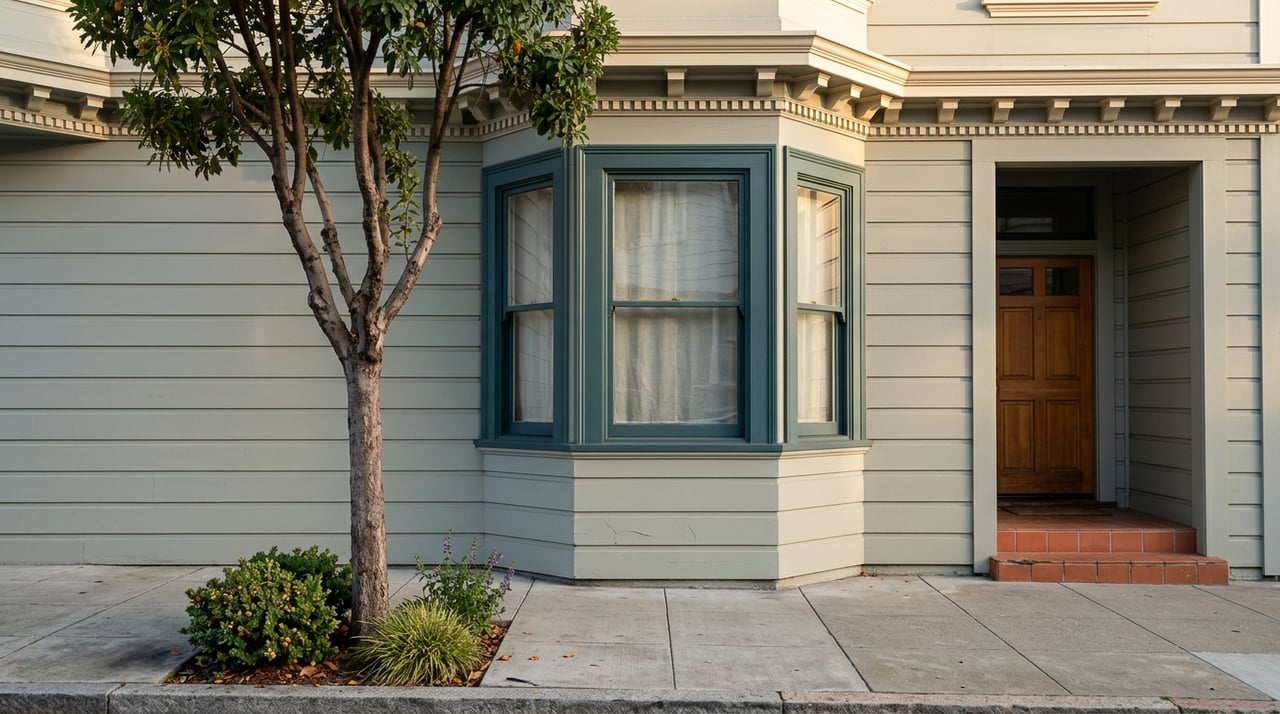
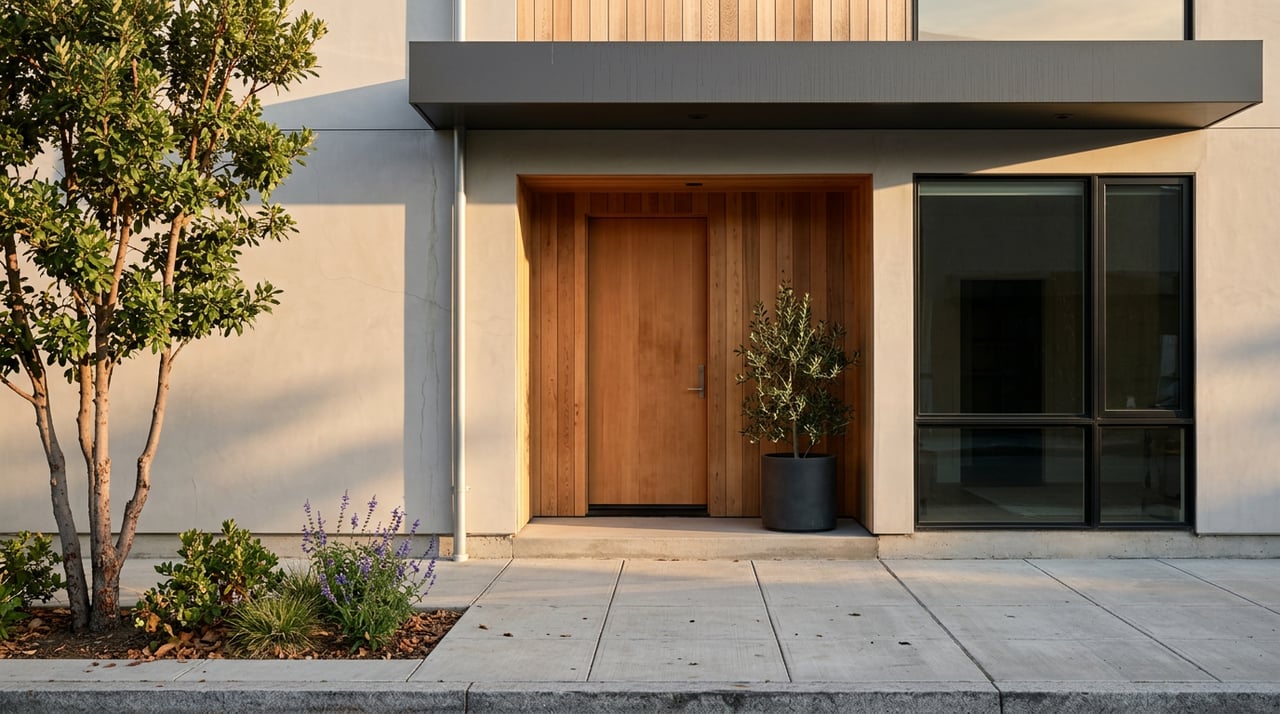
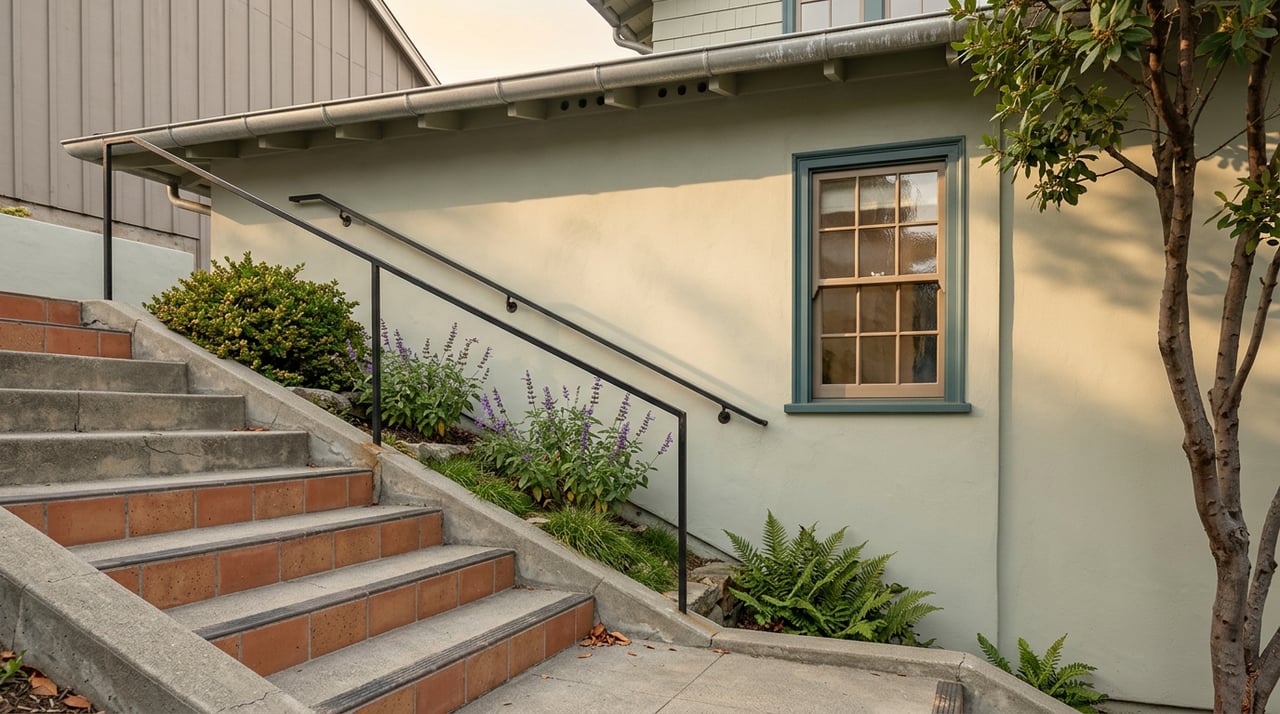
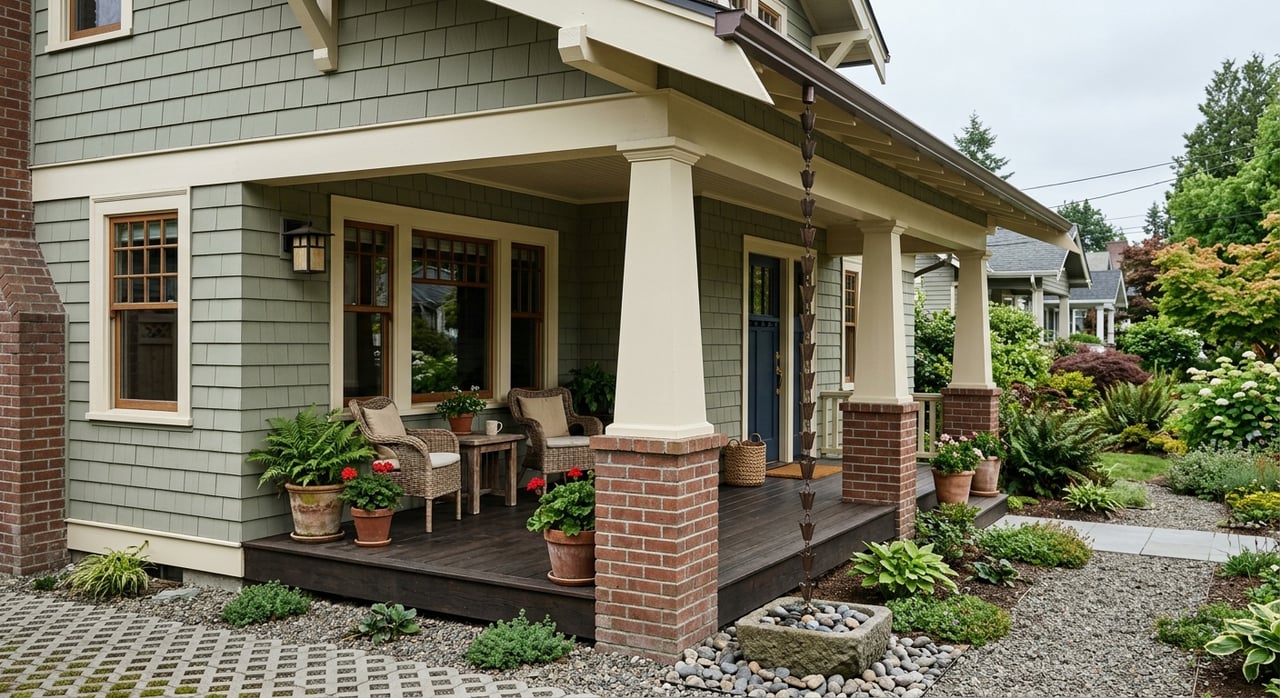
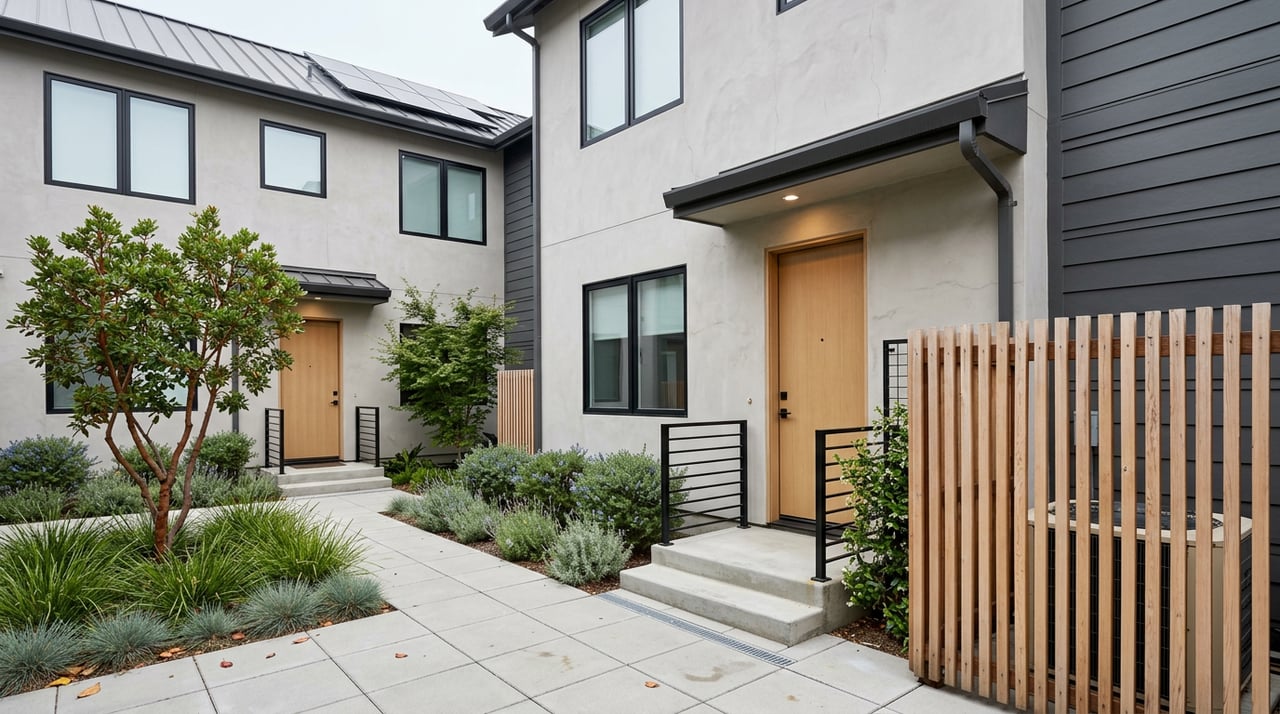
Corte Madera offers low‑ to mid‑rise condominiums and house‑like townhomes. You will see garden‑style stacked condos with 1 bedroom layouts under 1,000 square feet and 2–3 bedroom townhomes that feel like small single‑family homes in the 1,200–2,000+ square foot range. Many communities were built between the 1950s and 1990s with wood‑frame construction, exterior siding or stucco, and shared amenities.
Amenities vary by complex. Expect assigned parking or private garages, on‑site storage, landscaped grounds, and sometimes a pool or clubhouse. Townhomes with private garages and larger footprints often command a premium and can carry higher HOA dues than smaller garden‑style condos. Pricing and demand shift over time, so use current MLS data for any offer strategy and compare by community rather than relying on a single town‑wide median.
HOA basics that matter most
What dues usually cover
Monthly HOA dues commonly pay for building exterior maintenance, roofs and siding, landscaping, common‑area utilities, master insurance, management, trash, and reserve contributions. Small owner‑managed associations may run lower dues while amenity‑rich or elevator buildings tend to be higher. In Corte Madera you will see fees that range from the low hundreds into the upper hundreds per month. Always review the line‑item budget and compare what is included.
Reserve studies and funding
California’s Davis‑Stirling law requires most HOAs to prepare a reserve study and visually inspect major components at least every three years. The reserve study lists components like roofs, balconies, paving, and pool equipment, their remaining useful life, and a funding plan. Review the Reserve Funding Summary and percent funded carefully; a low funding level is a red flag that can signal near‑term special assessments. Learn how reserve studies work from the Davis‑Stirling overview on reserve studies and funding.
Master insurance 101
HOAs carry a master policy, but coverage types differ. A “bare walls” policy typically leaves interior finishes and improvements to your HO‑6 policy. “Walls‑in” or “all‑in” policies cover more of the original interior components. Read the master policy declarations and ask how deductibles and any loss assessments are handled, then match your HO‑6 accordingly. For a quick primer, see this guide to HOA master insurance policies.
Your HOA due‑diligence checklist
Ask for the HOA resale packet early and read it before you remove contingencies. Here is a simple checklist to use when comparing communities:
- Governing documents: CC&Rs, bylaws, articles, current rules, and architectural guidelines. Check rental limits, pet policies, alteration approvals, and parking rules.
- Financials: current budget, last 2–3 years of financials, current reserve balance, Reserve Funding Disclosure Summary, and the most recent reserve study. Low reserves or a study that shows near‑term replacements can affect your offer price and timeline. Review the state’s guidance on reserve studies.
- Assessments and utilities: current dues, any special assessments (proposed or active), and what utilities are included. Ask about upcoming large projects like roofs, plumbing, paving, or deck replacements.
- Insurance details: master policy declarations, limits, deductibles, and whether the HOA passes deductibles to owners after a claim. Align your HO‑6 with what the master policy does not cover.
- Litigation and warrantability: request a litigation memo and ask about any construction‑defect suits or insurance disputes. Significant litigation can make a project non‑warrantable for many lenders. See Fannie Mae’s project review criteria for context on warrantability checks.
- Meeting minutes and management: 12–24 months of board minutes can reveal deferred maintenance, reserve withdrawals, noise or parking disputes, and vendor changes.
- Owner‑occupancy and rentals: confirm ratios and any rental caps or short‑term rental restrictions. Lenders often require certain owner‑occupancy levels to approve conventional loans.
- Balcony and deck inspections: for condos with elevated exterior elements, ask for any SB‑326 inspection reports and timelines for repairs. California requires sampling inspections and integration of findings into the reserve study. Learn more about SB‑326.
- Estoppel letter: request a current statement of assessments, fines, and transfer fees. Lenders and title rely on it to confirm balances and standing.
Common building issues and inspections
Many mid‑century to late‑20th‑century Marin communities are on repeating maintenance cycles. Reserve studies often flag high‑ticket items like roof replacements, deck and balcony waterproofing, exterior paint or stucco repairs, paving and retaining walls, pool equipment, and common‑area plumbing. Wood‑framed balconies are especially vulnerable to concealed water damage, which is why SB‑326 balcony inspections are now common disclosures. If an HOA study or report identifies ongoing water intrusion or dry rot, prioritize further inspections and budget contingencies.
Budget your monthly costs
Create a simple worksheet so you can compare homes apples‑to‑apples:
- Mortgage principal and interest: use your lender’s current estimate.
- HOA dues: plug in the community’s monthly assessment.
- Utilities: add what the HOA does not include, such as electricity, gas, internet, or water if billed separately.
- Insurance: add your HO‑6 premium. Match coverage to the HOA master policy type and deductible structure.
- Property taxes: use your projected tax bill from the purchase price and divide by 12. Do not assume a standard rate; your lender or title company can help estimate.
Example: If dues are 650 dollars, your HO‑6 is 55 dollars, and you expect 150 dollars in personal utilities not covered by the HOA, you would add 855 dollars to your monthly mortgage and property‑tax estimate. Rerun the math for each community you compare.
Energy and EV checklist
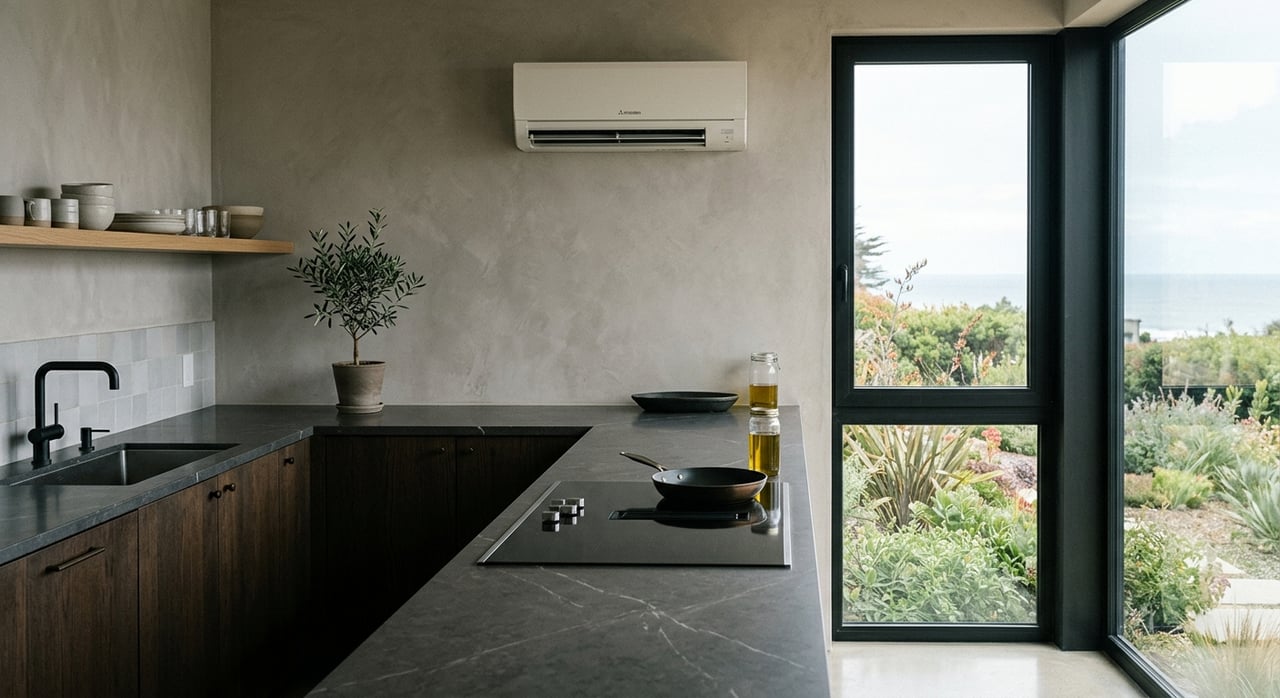
If you plan to electrify or charge an EV, start early and loop in the HOA:
- Know your rights: California Civil Code limits how HOAs can restrict homeowner EV charging in designated spaces, while allowing reasonable safety and process rules. Review the state’s statute on EV charging in HOAs.
- Map your parking: confirm whether your space is deeded or exclusive‑use, and what electrical capacity exists nearby.
- Plan the scope: many older projects need panel or feeder upgrades for Level‑2 charging. Expect permits, HOA approval, a licensed contractor, and a certificate of insurance.
- Stack local rebates: Marin buyers can reduce costs with local programs. Explore Marin Clean Energy’s offerings and renewable service options via MCE. Check weatherization and electrification rebates through BayREN. Review Marin County’s Electrify Marin updates for additional local rebates and tips on stacking state programs like TECH and SGIP using the County’s program bulletin. Some rebates require approved contractors or pre‑approval, so confirm steps before you start work.
Local risks and daily convenience
Parts of Corte Madera lie in FEMA Special Flood Hazard Areas. The Town offers a public resource that outlines preparedness and floodplain management. Before you waive contingencies, review the Natural Hazard Disclosure and ask for any elevation certificates for ground‑floor units. You can also explore the Town’s flood information hub for shoreline adaptation and floodplain resources.
Corte Madera is centrally located near US‑101 and close to Larkspur and San Rafael job centers, which many relocating professionals value. If you are concerned about seismic risk, ask the building department about any soft‑story retrofit programs and whether your complex is subject to inspection or future upgrades. When in doubt, your inspector or a structural engineer can help you weigh risks and long‑term costs.
Quick glossary
- Reserve study: A long‑range plan showing major common components, their remaining life, replacement costs, and a funding roadmap.
- Percent funded: The ratio of reserve dollars on hand versus what the reserve study says you should have for upcoming replacements.
- CC&Rs: Covenants, Conditions, and Restrictions that govern property use, common areas, and owner responsibilities.
- Estoppel letter: An HOA document confirming assessments, fees, and owner standing used by lenders and title.
- HO‑6 policy: Your condo unit policy that covers interior finishes, belongings, liability, and loss assessment depending on the HOA master policy.
- SB‑326: California law requiring balcony and exterior elevated element inspections for many condo HOAs, with findings integrated into reserve planning.
- Warrantable vs. non‑warrantable: Whether a condo project meets Fannie Mae, Freddie Mac, or FHA rules that allow standard financing; non‑warrantable projects often require portfolio loans.
Ready to compare communities and build a smart, sustainable plan? If you want a calm, step‑by‑step process with clear HOA and energy guidance, connect with Lucinda Otto to schedule a free sustainability‑focused home consultation.
FAQs
What types of condos and townhomes are common in Corte Madera?
- You will find low‑rise garden‑style condos and 2–3 bedroom townhomes with private garages, built mostly between the 1950s and 1990s with wood‑frame construction and shared amenities.
What should I look for in an HOA reserve study as a buyer?
- Focus on the percent funded, near‑term replacements like roofs and balconies, and whether the funding plan is realistic so you can gauge special assessment risk.
How does SB‑326 balcony inspection affect me as a condo buyer?
- For buildings with exterior elevated elements, the HOA should have SB‑326 inspection results; if repairs are recommended, expect timelines, costs, and potential assessments to follow.
What makes a condo project warrantable for conventional financing?
- Lenders check owner‑occupancy, single‑entity ownership, reserves, insurance, commercial space, and litigation; non‑warrantable projects may require portfolio or non‑QM loans.
Can I install an EV charger in my condo parking space?
- California law protects an owner’s right to install an EV charger with reasonable HOA rules; confirm space rights, electrical capacity, permits, insurance, and who pays for shared upgrades.
How should I budget monthly costs for a condo or townhome?
- Add mortgage principal and interest, HOA dues, your HO‑6 premium, any utilities not covered by dues, and your projected property taxes based on the purchase price.
What flood considerations apply to Corte Madera condos?
- Check the Natural Hazard Disclosure, ask for elevation certificates for ground‑floor units, and review the Town’s flood resources; confirm whether the HOA has a flood response plan.