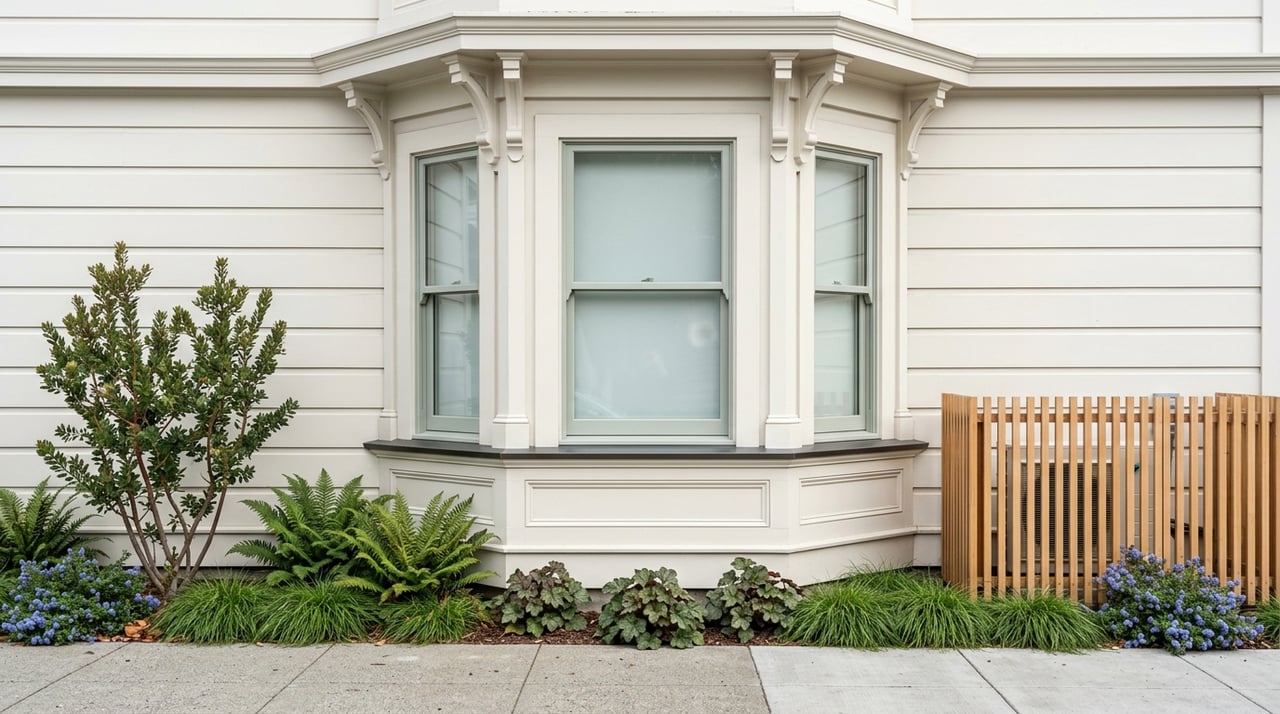
Wondering which energy upgrades are actually worth it in a classic San Francisco home? If you own an older Victorian, Edwardian, bungalow, or condo in one of the city’s established neighborhoods, it is easy to feel pulled between preserving character, improving comfort, and making smart financial choices. The good news is that the best updates are often practical, phased, and less disruptive than you might think. Let’s walk through the upgrades that can make the biggest difference, along with the local rules and timing issues that matter in San Francisco.
Start With the House Envelope
In many classic San Francisco homes, the biggest energy wins come before you replace major equipment. The U.S. Department of Energy says a home energy assessment should be the first step, and that weatherizing first can improve savings and comfort, especially in older homes.
That matters because many older homes lose comfort through small leaks, drafty areas, and underperforming ductwork. If you fix those issues first, any future heating or hot water equipment can be sized more appropriately and work more efficiently.
Focus on air sealing first
Air sealing is one of the most practical starting points. Sealing leaks around attic penetrations, doors, and other gaps can reduce wasted heating and cooling, and the DOE says caulking and weatherstripping can save about 10% to 20% on heating and cooling.
For older San Francisco homes, this step can also improve day-to-day comfort. Rooms may feel less drafty, temperatures can become more even, and you may notice fewer moisture-related issues in problem areas.
Don’t overlook duct repairs
If your home has ducts, their condition matters more than many owners realize. According to the DOE, leaking ducts can add hundreds of dollars a year, and uninsulated ducts can lose up to 60% of heated air before it reaches the register.
That means you could be paying to heat spaces you never use, while the rooms you actually live in still feel chilly. In a city where many homes were updated in stages over time, duct inspection and repair can be a high-value part of a broader energy plan.
Rethink Windows Before Replacing Them
Window replacement often gets the spotlight, but it is not always the first or best move for a classic home. If you have original windows, there may be lower-disruption ways to improve comfort and efficiency while preserving architectural character.
This can be especially relevant in San Francisco, where visible exterior changes may trigger additional review depending on the property.
Consider storm windows and shades
The DOE notes that low-e exterior or interior storm windows can save 10% to 30% on heating and cooling costs. Tightly installed cellular shades can also reduce heat loss through windows by 40% or more.
Those options can be appealing if you want better comfort without committing to full replacement right away. Insulated cellular shades may also add privacy, comfort, and resale appeal, according to the DOE.
Why this matters for classic facades
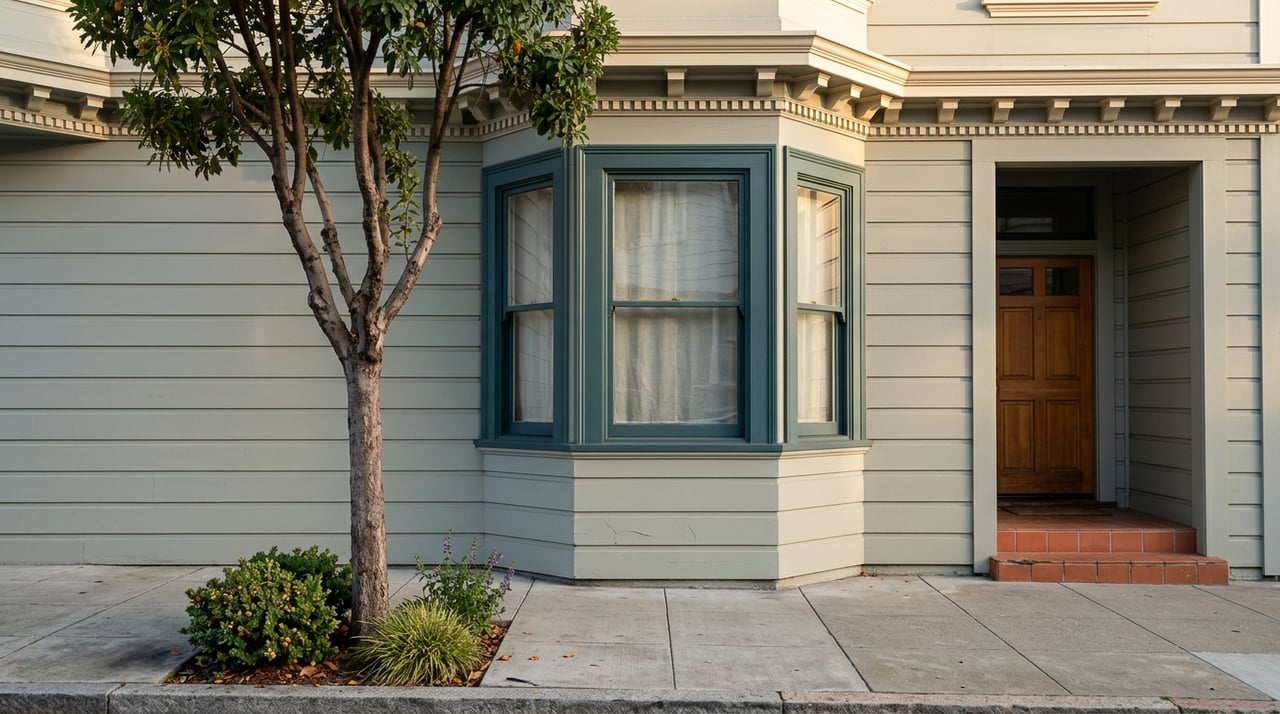
San Francisco says every building has a historic resource category, and proposed work visible from the street may be reviewed. The city also notes that many properties are category B, where changes to the front façade may trigger Historic Resource Review.
For homeowners, that means window strategy is not just about efficiency. It is also about choosing improvements that align with your building’s status, your timeline, and the level of review your project may require.
Upgrade Heating and Hot Water Strategically
Once you have addressed leaks and weak points in the building shell, equipment upgrades tend to perform better. This is where heat pumps often come into the conversation.
The key is not simply to install new equipment. It is to match the system to the home’s actual needs after weatherization and repairs.
Heat pumps can fit older homes
The DOE says heat pumps are efficient in all climates, and that today’s systems can reduce electricity use for heating by up to 75% compared with electric resistance heating. Ductless systems can also be a strong fit for homes without existing ductwork.
That flexibility matters in San Francisco’s older housing stock. If your home has limited space for new ducts, or if the current duct layout is inefficient, a ductless or thoughtfully designed heat pump system may be worth exploring when replacement time comes.
Heat pump water heaters are worth watching
If your water heater is nearing the end of its life, a heat pump water heater may be another smart upgrade. The DOE says these systems are two to three times more efficient than conventional electric resistance water heaters.
PG&E estimates that customers can save about 20% on utility bills, up to $78 per month, by switching from gas or regular electric appliances to heat pump systems for heating, cooling, and water heating, though results vary by home. That makes replacement timing important, especially if you want to plan ahead rather than react to equipment failure.
Use the Right Controls
Controls can help you save energy, but only when they match the equipment in your home. This is one area where a one-size-fits-all approach can backfire.
The DOE says programmable thermostats can save as much as 10% a year on heating and cooling through setback strategies. At the same time, it cautions that programmable thermostats are generally not recommended for heat pumps when setbacks trigger backup heat.
Match controls to your system
If you have a conventional system, a programmable thermostat may help reduce waste. If you have a heat pump or are planning one, heat-pump-compatible controls and regular maintenance are usually more important than aggressive temperature setbacks.
This is a good reminder that the best energy-smart home is not necessarily the one with the most gadgets. It is the one with systems that work well together.
Know the San Francisco Rules
In San Francisco, project planning is not just about the house. It is also about local permitting, timing, and code requirements.
Understanding these rules early can help you avoid delays, budget surprises, or redesigns halfway through the process.
Energy code changes affect alterations
California’s 2025 Energy Code took effect on January 1, 2026, and applies to additions and alterations to existing buildings. The update emphasizes heat pumps and electric readiness.
If you are planning a remodel, addition, or major system replacement, it is worth looking at the project as a whole rather than as a series of isolated decisions. Electrical capacity, equipment type, and permit scope may all be connected.
San Francisco’s all-electric direction matters
San Francisco requires most new buildings to be fully electric, and permit applications filed on or after June 1, 2021 must be for all-electric buildings. Starting July 1, 2026, some major renovations that also include major heating or hot-water upgrades must convert those systems to electric, with limited exemptions for technical infeasibility.
For owners of classic homes, this makes long-range planning especially important. If you know a larger remodel may be coming, it can make sense to think ahead about heating, water heating, and electrical readiness now.
Permits are often required
San Francisco’s permit pages say electrical permits are needed before new wiring or changes to existing electrical equipment. Plumbing and mechanical permits are also needed for pipe or mechanical work, and homeowner self-permitting is limited.
In practice, that means many energy upgrades involve more than choosing products. You may also need to coordinate contractors, timelines, and permit review carefully.
Think in Phases, Not in One Big Project
For many homeowners, the smartest path is a phased plan. That approach can reduce disruption, spread out costs, and help you make better decisions as the home improves over time.
A practical sequence based on the research often looks like this:
- Start with a home energy assessment.
- Air seal key leaks and address duct issues.
- Improve window performance with lower-disruption measures where appropriate.
- Replace heating or hot water equipment when timing and permits align.
- Add controls that match the system.
This order can help you avoid overspending on equipment that is too large for the home once leaks and losses are reduced.
Incentives and Documentation Matter
If you are exploring upgrades now, it is important to understand what assistance is still available and what has changed.
BayREN retired its broad Home+ single-family program in October 2024. Its current homeowner offering is EASE Home for moderate-income households, with a customer co-pay capped at 20% of project cost, plus a $200 BayREN Home Energy Score rebate.
Use a Home Energy Score as a planning tool
The Home Energy Score is a DOE-developed 1 to 10 score that estimates a home’s energy use and costs and provides customized recommendations. BayREN says the score can sometimes be bundled with a home inspection or furnace replacement.
For sellers, this can be especially useful. A pre-listing score or assessment can help create a clearer documentation trail around a home’s performance and upgrades.
Be careful with federal timing
If you have heard about federal energy tax credits, note the timing. The IRS says the Energy Efficient Home Improvement Credit applies to qualifying property placed in service before December 31, 2025, so it should not be presented as available for 2026 projects.
That is one more reason to verify current program timing before making assumptions about cost recovery.
Why These Updates Matter for Resale
In real estate, energy-smart improvements are not just technical upgrades. They are part of the story you tell about how a home lives.
The practical seller message is often about comfort, lower operating costs, and clear documentation. Buyers may not ask for a detailed building science explanation, but they do understand a home that feels less drafty, runs more efficiently, and comes with organized records.
For classic San Francisco homes, that combination can be especially powerful. When thoughtful upgrades respect the home’s character and align with local rules, they can help your property stand out for the right reasons.
If you are deciding which improvements to make before a sale, or which features matter most as a buyer, working with someone who can translate technical details into market value can make the process far more manageable.
If you’re thinking about energy-smart updates before buying or selling, Lucinda Otto can help you evaluate which improvements support comfort, timing, and market appeal in San Francisco’s classic housing stock.
FAQs
What are the best first energy upgrades for an older San Francisco home?
- Start with a home energy assessment, then focus on air sealing and duct repairs before replacing major equipment.
Should you replace original windows in a classic San Francisco home?
- Not always. Lower-disruption options like low-e storm windows and tightly installed cellular shades can improve comfort and efficiency without making full replacement the first step.
Are heat pumps a good fit for older San Francisco homes?
- They can be. The DOE says heat pumps work efficiently in all climates, and ductless systems can be a good option for homes without existing ductwork.
Do energy upgrades in San Francisco require permits?
- Many do. San Francisco says electrical permits are required for new wiring or changes to electrical equipment, and plumbing or mechanical permits are needed for related pipe or mechanical work.
Can historic review affect energy updates on a San Francisco home?
- Yes. If proposed work is visible from the street, San Francisco may review it, and changes to the front façade can trigger Historic Resource Review for many properties.
Are there still rebates for San Francisco homeowners doing energy upgrades?
- Some programs remain, but they are narrower than before. BayREN’s current homeowner offering is EASE Home for moderate-income households, and BayREN also offers a $200 Home Energy Score rebate.
How can energy upgrades help when selling a San Francisco home?
- They are often most useful when presented as comfort improvements, lower operating costs, and a well-documented record of work completed.